
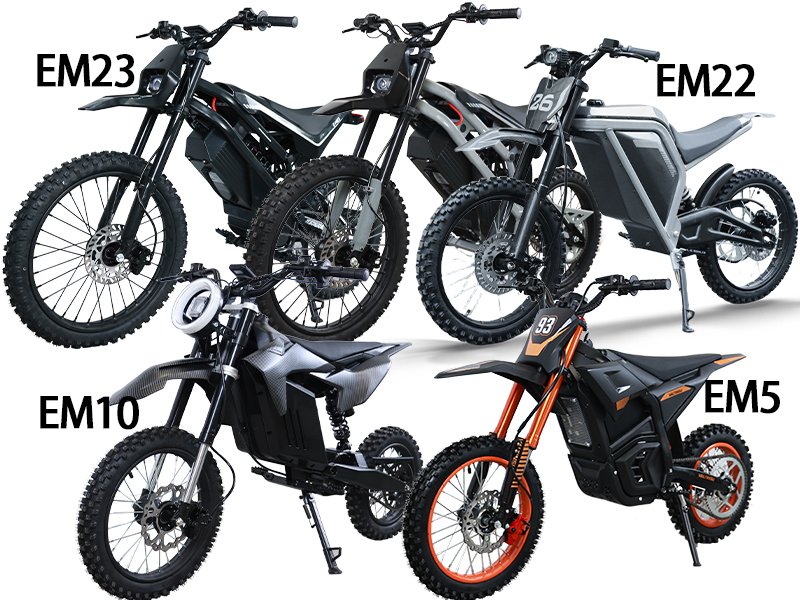

ELECTRIC DIRT BIKE
VALTINSU EM-5
EXPLORE MORE
ELECTRIC DIRT BIKE
VALTINSU EM-5 PRO
EXPLORE MORE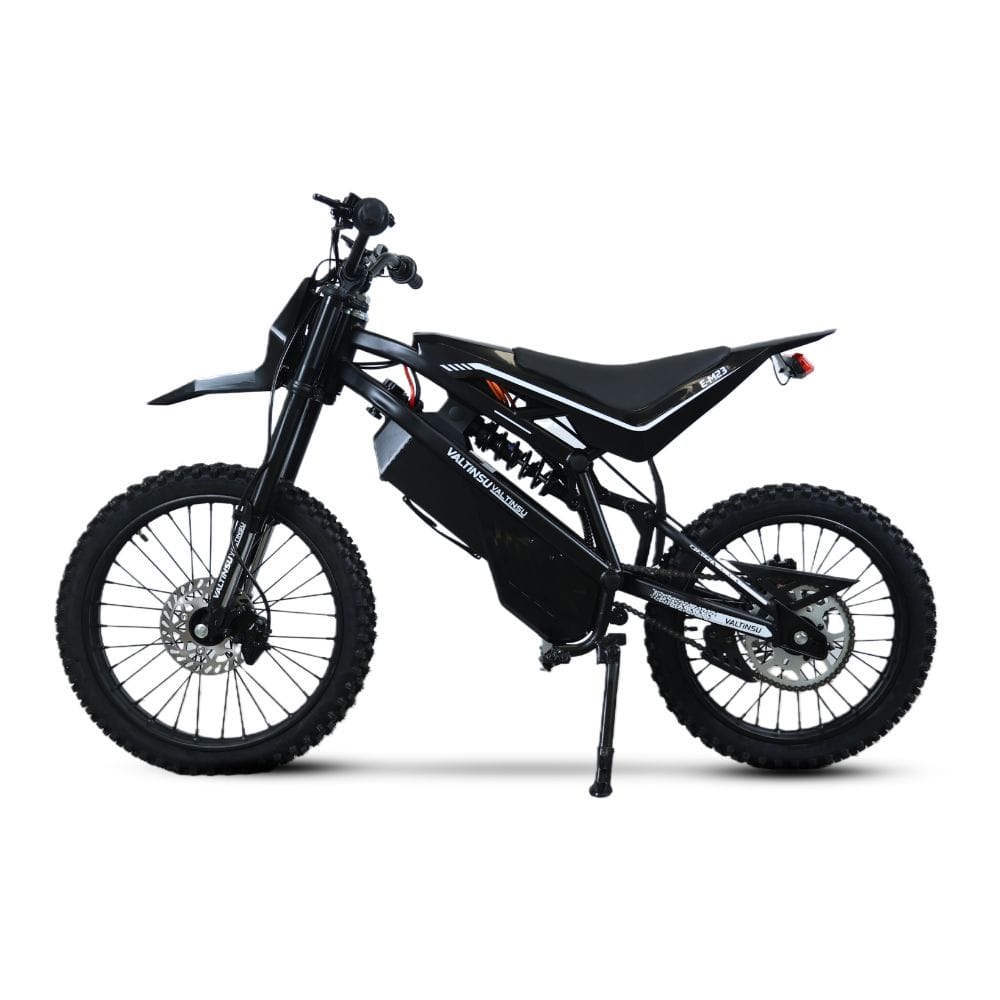
ELECTRIC DIRT BIKE
When shopping for an electric dirt bike, one of the first questions buyers ask is: How fast will a 72V dirt bike go?
The short answer is that most 72V electric dirt bikes reach top speeds between 45 and 70 mph (72–113 km/h). However, actual performance depends on much more than battery voltage. Motor power, controller settings, rider weight, terrain, gearing, and tire selection all influence real-world speed.
Whether you’re a dealer comparing products, a rider looking for more performance, or an importer evaluating manufacturers, understanding what determines the speed of a 72V dirt bike can help you make a smarter decision.
A 72V battery provides enough electrical power to support high-performance motors, making it one of the most common voltage systems found on premium electric dirt bikes.
Here are the typical speed ranges:
Motor Power | Typical Top Speed |
5 kW | 45–50 mph (72–80 km/h) |
8 kW | 50–60 mph (80–97 km/h) |
10–12 kW | 60–70 mph (97–113 km/h) |
15 kW+ | 70+ mph (113+ km/h) |
| Motor Power | Typical Top Speed |
|---|---|
| 5 kW | 45–50 mph (72–80 km/h) |
| 8 kW | 50–60 mph (80–97 km/h) |
| 10–12 kW | 60–70 mph (97–113 km/h) |
| 15 kW+ | 70+ mph (113+ km/h) |
It’s important to remember that 72V alone doesn’t determine top speed. Two bikes with the same battery voltage can perform very differently depending on the motor and controller.
Many people assume a higher battery voltage automatically means a faster motorcycle. In reality, voltage is only one part of the equation.
Several components work together to determine maximum speed.
The motor converts electrical energy into mechanical power.
For example:
Higher motor output generally produces higher top speeds and stronger acceleration.
The controller regulates how much current reaches the motor.
A high-quality controller allows:
Some manufacturers intentionally limit controller output to extend battery life or comply with local regulations.
Heavier riders require more power to accelerate.
Typical effects include:
A lightweight rider may see several mph more than a heavier rider on the same bike.
Manufacturers usually publish speeds achieved on flat pavement.
Actual riding conditions vary:
Trail riding rarely reaches published maximum speeds.
Larger tires travel farther per wheel rotation, while different sprocket sizes change the balance between acceleration and maximum speed.
Manufacturers often choose gearing based on whether the bike is intended for motocross, trail riding, or enduro use.
Reaching maximum speed is one thing.
Maintaining it is another.
Battery capacity determines how long high-speed riding can continue.
Typical examples include:
Battery Capacity | Riding Time |
72V 30Ah | 45–70 minutes |
72V 40Ah | 60–90 minutes |
72V 50Ah | Up to 2 hours under mixed riding |
| Battery Capacity | Riding Time |
|---|---|
| 72V 30Ah | 45–70 minutes |
| 72V 40Ah | 60–90 minutes |
| 72V 50Ah | Up to 2 hours under mixed riding |
Continuous riding at maximum speed will shorten the available riding time because the motor draws significantly more power.
Generally, yes.
A 72V electrical system can deliver higher power with lower current, making it more efficient for high-performance applications.
Typical comparison:
Feature | 60V | 72V |
Typical Speed | 35–50 mph | 45–70 mph |
Acceleration | Good | Excellent |
Hill Climbing | Moderate | Strong |
High-Speed Efficiency | Good | Better |
| Feature | 60V | 72V |
|---|---|---|
| Typical Speed | 35–50 mph | 45–70 mph |
| Acceleration | Good | Excellent |
| Hill Climbing | Moderate | Strong |
| High-Speed Efficiency | Good | Better |
That said, a well-designed 60V bike with a powerful motor can still outperform a poorly designed 72V model.
Overall engineering matters more than battery voltage alone.
Not always.
Because of their strong acceleration, many 72V models are better suited to experienced riders.
For beginners, manufacturers often recommend:
These features make the bike easier to control while riders build confidence.
For distributors and wholesalers, top speed is only one consideration.
A dependable supplier should also provide:
Companies like VALTINSU focus on producing electric dirt bikes for international distributors and OEM partners, combining competitive performance with factory-level quality control and customization services for different markets.
A 72V electric dirt bike typically reaches 45–70 mph, making it one of the most capable options for off-road riding. While battery voltage plays an important role, the overall riding experience depends on motor power, controller tuning, gearing, terrain, and battery capacity.
If you’re sourcing electric dirt bikes for distribution or OEM projects, it’s worth looking beyond speed alone. A manufacturer with proven engineering, consistent quality, and dependable after-sales support will deliver greater long-term value than simply choosing the highest advertised top speed.
Yes. A 72V system generally supports higher motor output, resulting in greater acceleration and higher potential top speed.
Yes. High-performance models equipped with powerful motors and controllers can exceed 70 mph under suitable conditions.
No. Battery capacity (Ah) mainly affects riding range. Top speed depends more on voltage, motor power, controller settings, and gearing.
Most models offer between 30 and 75 miles (48–120 km) depending on battery size, terrain, rider weight, and riding style.