

ELECTRIC DIRT BIKE
VALTINSU EM-5
EXPLORE MORE
ELECTRIC DIRT BIKE
VALTINSU EM-5 PRO
EXPLORE MORE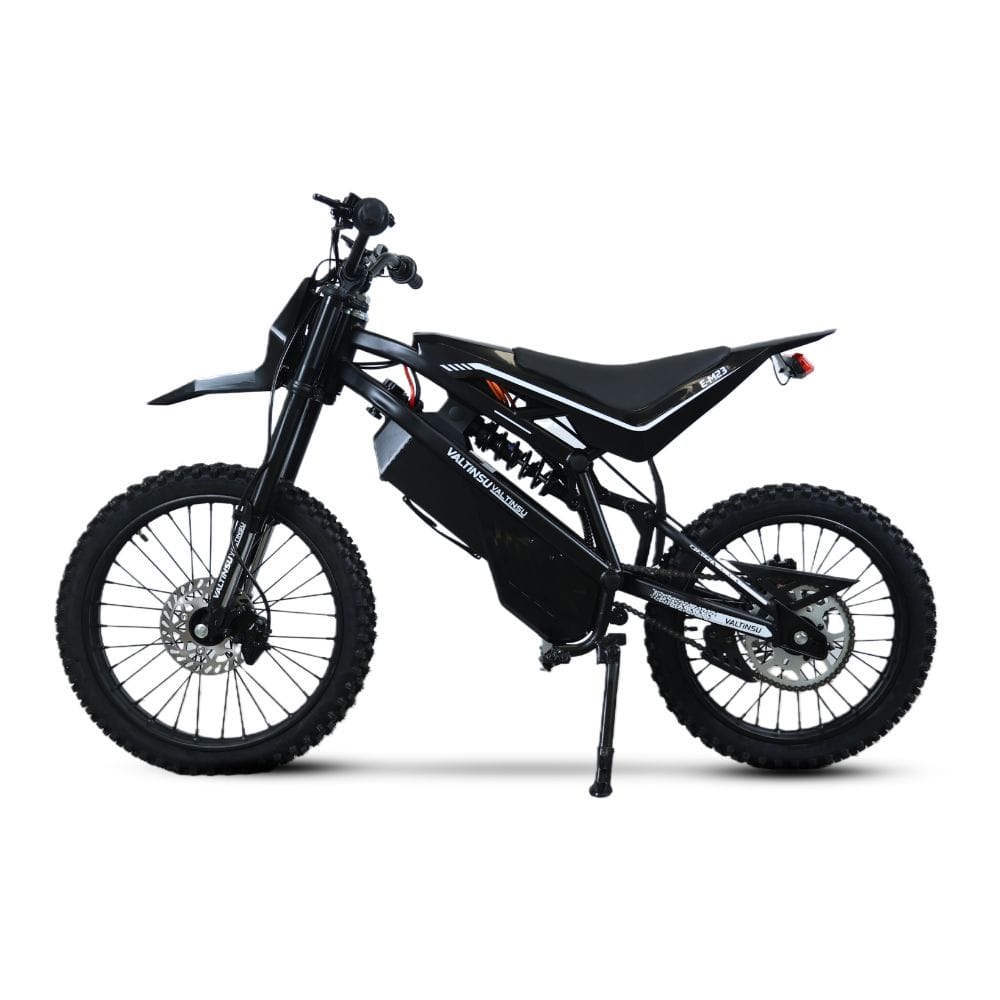
ELECTRIC DIRT BIKE
But one question many riders ask before buying a high-performance electric bike is:
What’s the fastest an eBike can go legally?
The answer depends on where you live and how the eBike is classified. In many regions, the fastest legal eBike is a Class 3 electric bike, which can provide pedal assistance up to 28 mph (45 km/h). However, regulations vary by country and state, especially for high-power electric dirt bikes and off-road models.
Understanding these rules helps riders choose the right electric bike without running into legal problems.
For most street-legal electric bikes in the United States, the maximum assisted speed depends on the eBike classification system.
The common three-class system includes:
eBike Class | Maximum Assisted Speed | Motor Assistance |
Class 1 | 20 mph (32 km/h) | Pedal assist only |
Class 2 | 20 mph (32 km/h) | Throttle and/or pedal assist |
Class 3 | 28 mph (45 km/h) | Pedal assist only |
A Class 3 eBike is generally the fastest category that can still be considered a bicycle in many areas, offering riders more speed for commuting, longer-distance riding, and faster trail connections.
However, reaching speeds above these limits may move an eBike into a different vehicle category, such as a moped, motorcycle, or off-road vehicle.
For many riders, 28 mph is the sweet spot between performance and legality.
A Class 3 eBike typically features:
In the US, many states recognize Class 3 eBikes, but rules about bike paths, sidewalks, and road access can differ. Some locations restrict Class 3 models to roads or bike lanes rather than multi-use trails.
Before purchasing a fast electric bike, riders should always check their local regulations.
The maximum legal speed of an electric bike is not only about the motor power. Several factors affect whether an eBike is classified as legal.
Motor wattage is one of the main factors regulators consider.
In many markets, street-legal eBikes are limited around 750W motor output, while higher-powered models are often classified differently.
For riders who want stronger performance, manufacturers often increase torque, battery capacity, suspension quality, and frame strength instead of simply increasing top speed.
The way power is delivered also affects classification.
A pedal-assist eBike provides motor support while the rider pedals. This allows higher assisted speeds in some classifications.
Throttle-powered models are often subject to stricter limits because the motor can propel the bike without rider input.
Not every fast electric bike is designed for public roads.
For example:
High-performance electric dirt bikes may exceed traditional eBike regulations because they are built closer to motorcycles, with stronger motors, larger batteries, and motorcycle-style suspension.
In the US, many states follow the three-class eBike system:
However, local laws determine where each class can be ridden.
European regulations are generally more restrictive.
Most standard electric bicycles are limited to:
Faster models, such as speed pedelecs, can reach around:
but may require additional registration, insurance, or licensing depending on the country.
Different countries have their own rules based on:
For global buyers and distributors, understanding regional compliance is essential before importing electric bikes.
A higher top speed does not always mean a better riding experience.
The ideal speed depends on your riding purpose.
A 20–28 mph eBike is usually enough for:
Speed is only one part of performance.
Off-road riders often care more about:
This is why performance-focused brands like VALTINSU focus on complete riding systems rather than only chasing maximum speed.
VALTINSU develops high-performance electric dirt bikes designed for riders who need strong acceleration, reliable components, and durable construction for demanding off-road environments.
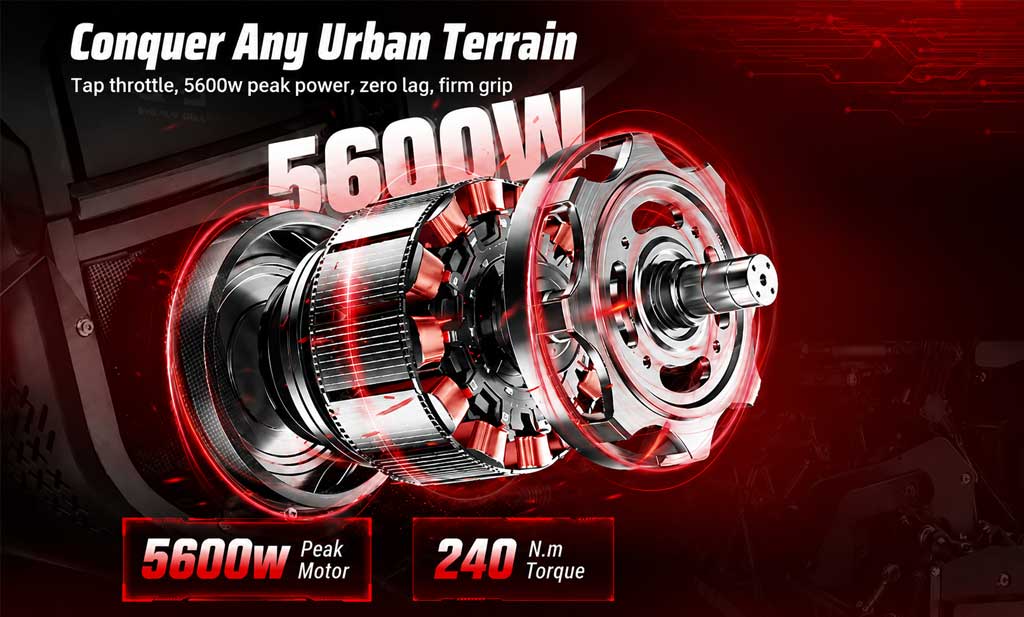
VALTINSU electric dirt bikes are built for riders who want more power and adventure beyond traditional commuting eBikes.
Depending on the model configuration, performance can vary based on:
For distributors and OEM partners, VALTINSU provides flexible customization options including:
This allows dealers to create electric off-road products that match their local market requirements.
Before buying a high-speed electric bike, consider:
Ask yourself:
Your riding environment determines the right bike category.
A commuter may prefer a legal 28 mph Class 3 eBike.
An off-road enthusiast may need:
Always verify:
A powerful eBike that does not meet local regulations may not be suitable for public riding.