


125CC GAS DIRT BIKE
DB-101 125CC Electric Start 4 Stroke Gasoline Dirt Bike
EXPLORE MORE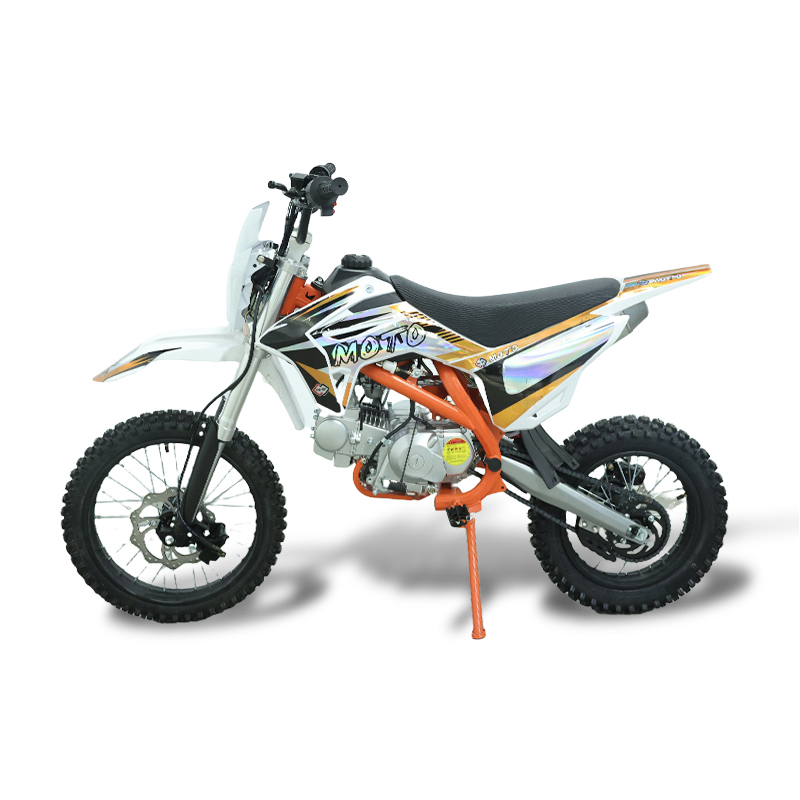
125CC GAS DIRT BIKE
DB-109 125CC 4 Stroke Adult Dirt Bike
EXPLORE MORE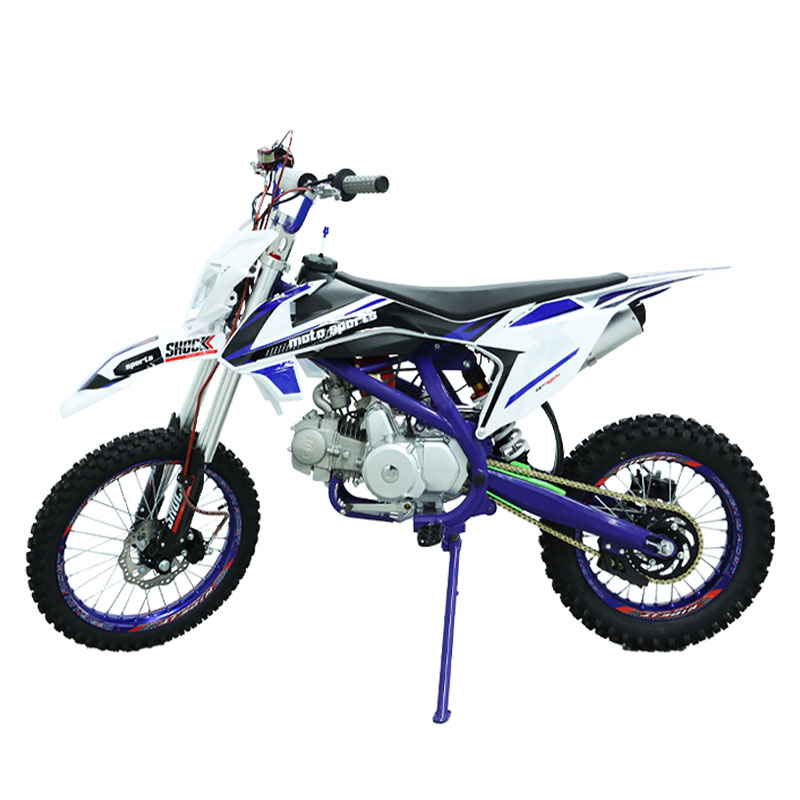
125CC GAS DIRT BIKE
Parents want safety. Kids want fun. A 50cc dirt bike lands right in between. I wanted to know the exact numbers before buying one.
A 50cc dirt bike typically reaches 25 to 40 mph. Top speed depends on engine type, rider weight, terrain, and bike condition. Stock bikes tend to be on the lower end. Modified bikes push higher. For most young or beginner riders, this range feels both exciting and manageable.
I will cover what 50cc dirt bikes are, break down real speed numbers, look at the factors that change speed, explain how to go faster, and help you pick the right bike. I have been through this search. These sections will save you time and give you clear answers.
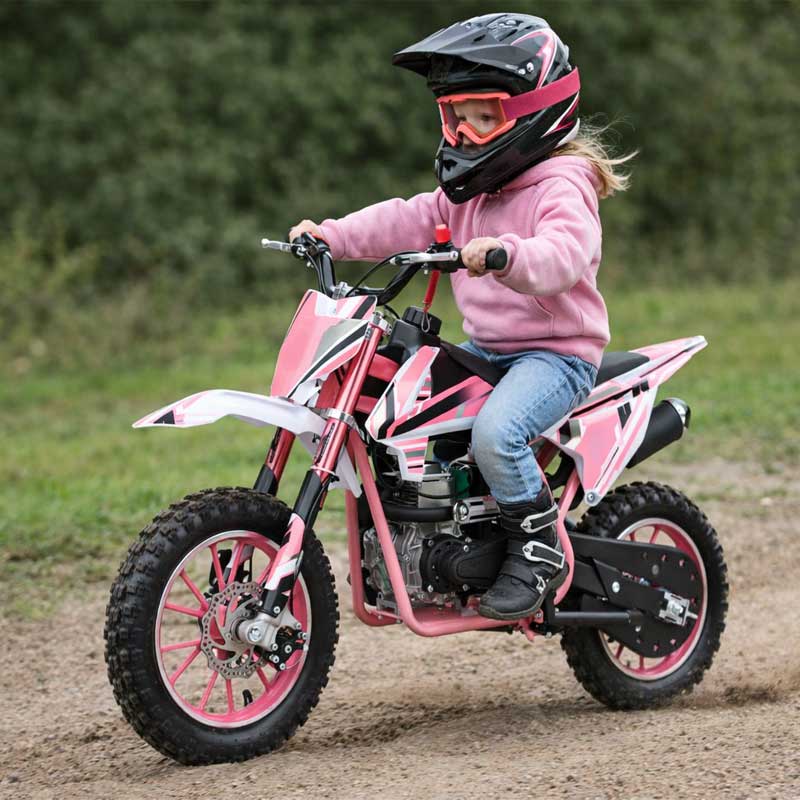
Kids want to ride. Parents want control. Most adult bikes are too big, too fast, and too heavy. A 50cc dirt bike fills that gap perfectly.
A 50cc dirt bike is a small off-road motorcycle with a 50 cubic centimeter engine. It is built for young or beginner riders. It is light, low to the ground, and easy to handle. Most models target riders aged 3 to 7, though some suit older beginners too.
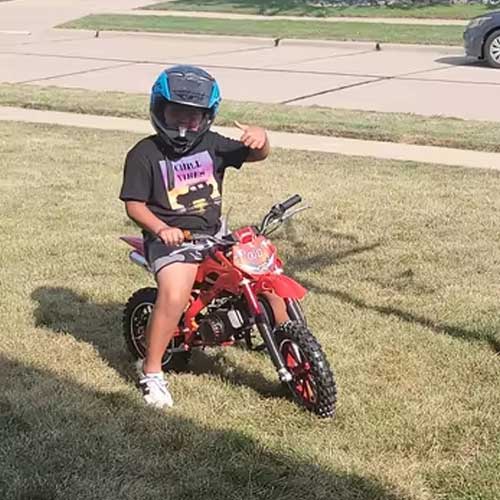
The 50cc engine is small but functional. It produces enough power to move a young rider across trails, dirt tracks, and open fields. The engine sits in a compact frame. The whole bike is scaled down for small bodies.
These bikes weigh between 40 and 70 pounds. That keeps them manageable. A child can pick the bike up after a tip-over. I can lift it into a truck with no struggle.
Most riders on 50cc bikes are between 3 and 10 years old. Smaller adults and beginners also use them for learning. The low power output and short seat height make them forgiving.
Feature | Typical Spec | Why It Matters |
Engine size | 50cc | Low power, beginner-friendly |
Bike weight | 40–70 lb | Easy to handle and recover |
Seat height | 17–22 inches | Fits small riders |
Target age | 3–10 years | Safe size for young bodies |
Terrain | Trails, dirt, flat open areas | Off-road use only |
Parents ask me this every time. They want a number. Kids ask too. They want the biggest number possible. The truth sits somewhere in the middle.
A 50cc dirt bike goes 25 to 40 mph on average. Stock bikes for young children are often limited to 10 to 20 mph. Performance models and lightly modified bikes can reach 40 mph or slightly above. Rider weight, terrain, and setup all shift the final number.
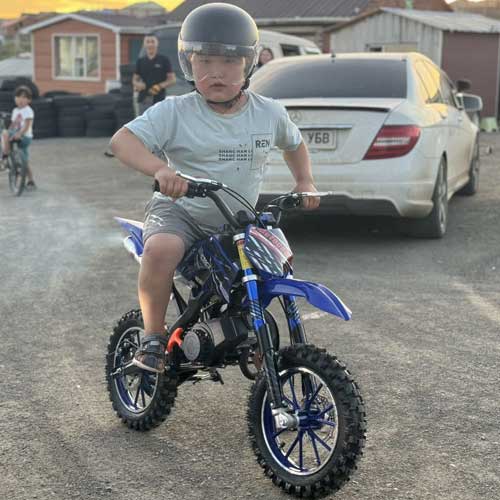
Most factory 50cc bikes ship with a speed limiter. Parents set the limit low and raise it as the child improves. I set my kid’s bike to 15 mph at first. Confidence built fast. We moved the limiter up over weeks.
Some 50cc bikes skip the budget build. They use better carburetors, higher compression, and tuned exhausts. These hit 35 to 40 mph with ease. They are not beginner bikes. They suit young riders with track experience.
Top speed means nothing on tight trails. Real-world speed on a trail or dirt track looks different from flat ground max speed. I ride at 70 to 80 percent of top speed most of the time. Control matters more than peak numbers.
Bike Type | Speed Range | Best For |
Stock beginner with limiter | 10–20 mph | Ages 3–6, first riders |
Standard stock no limiter | 25–35 mph | Ages 6–10, progressing riders |
Performance / semi-modified | 35–40 mph | Ages 8–12, experienced riders |
Fully modified race spec | 40+ mph | Young competitive racers |
Two bikes look the same. One runs faster. I could not figure it out at first. Then I learned what actually controls the final speed number.
Speed on a 50cc dirt bike changes based on engine type, safety features, rider age and experience, and how well the bike is maintained. These four areas work together. Changing one changes the result. Understanding each one helps you set realistic speed goals.
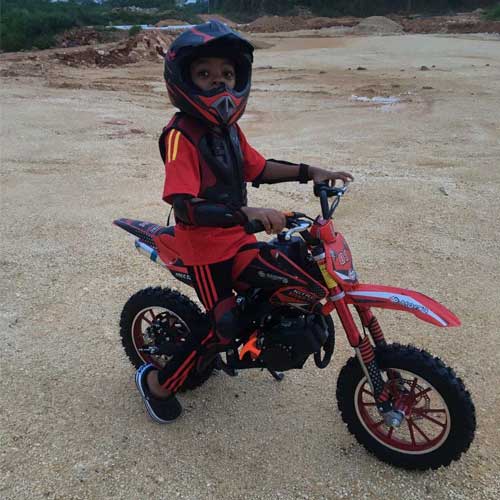
Not all 50cc engines are equal. Two-stroke engines fire every rotation. They feel sharp and punchy. They push higher top speeds with a smaller, lighter build. Four-stroke engines fire every other rotation. They feel smoother and more controlled. They produce steady power across a wider rpm range.
I rode both. The two-stroke felt nervous and fast. The four-stroke felt calm and easy to manage for a beginner. Most kids’ bikes run four-strokes now. Racing models often use two-strokes.
Engine Type | Power Delivery | Top Speed Potential | Best For |
Two-stroke | Sharp, peaky | Higher | Experienced young racers |
Four-stroke | Smooth, steady | Moderate | Beginners and casual riders |
Most 50cc bikes built for children include a throttle limiter or a speed governor. I turn a small screw on the carburetor to restrict how far the throttle opens. This directly limits top speed.
Some newer electric-start models connect to an app. I set a maximum speed from my phone. The bike enforces it automatically. Remote kill switches also let me cut the engine if the child goes too fast or loses control.
These features do not just protect the child. They also protect gear, other riders, and property. I recommend keeping the limiter active until the rider earns the speed increase through consistent control.
A lighter rider means less drag on the engine. A child weighing 50 pounds will reach higher speeds than one weighing 90 pounds on the same bike. Physics does that work.
Beyond weight, skill matters. An experienced young rider holds smoother throttle lines and picks better terrain. Smoother riding produces faster, safer results. Choppy throttle, bad body position, and wrong terrain all cut real speed and add crash risk.
A dirty air filter chokes the engine. Old spark plugs misfire. Low tire pressure adds rolling resistance. I check these three things before every session. A well-maintained bike runs at its full potential. A neglected bike loses speed and reliability slowly.
I change the air filter every few sessions on dusty tracks. I check the plug monthly. I keep tires at the right pressure for the terrain. These small steps keep the bike honest.
Maintenance Item | Check Frequency | Effect On Speed |
Air filter | Every 2–3 rides | Dirty filter cuts power |
Spark plug | Monthly | Worn plug reduces ignition |
Tire pressure | Before each ride | Low pressure adds resistance |
Chain tension | Before each ride | Loose chain wastes power |
Fuel quality | Every fill | Old fuel reduces combustion |
I wanted more speed. My son earned it. We explored the right upgrades step by step without breaking the bike or the budget.
Yes, a 50cc dirt bike can go faster with the right changes. Removing the speed limiter is the first step. Beyond that, a performance carburetor, a better exhaust, a high-flow air filter, and a re-jet of the fuel mixture all add speed. Each step builds on the last.
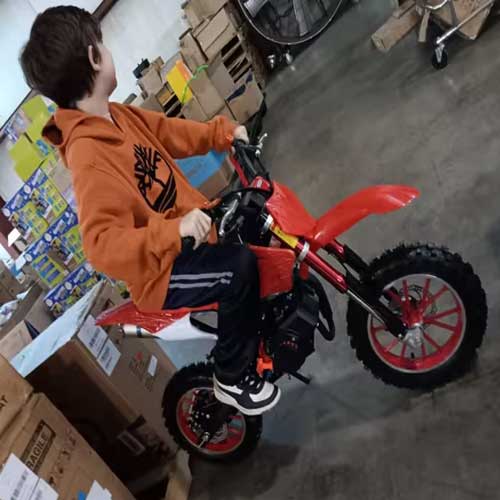
This is the easiest step. I loosened the throttle stop screw and gave the rider more range. This alone added 5 to 8 mph on our stock bike. Always match this step to the rider’s skill level.
A stock exhaust restricts flow. An aftermarket pipe lets gases exit faster. This raises power across the rev range. I noticed a cleaner pull out of corners and a higher top speed on the straight.
More air means more fuel and more power. A high-flow filter feeds the engine better. But more air without more fuel creates a lean mixture. A lean mixture burns hot and can damage the engine. I re-jetted the carburetor after the filter swap. The two changes work as a pair.
A bigger carb flows more fuel and air per second. This raises peak power. I moved to a performance carb on a bike with an exhaust and filter upgrade already done. Stacking upgrades in the right order gives the best result.
Upgrade | Speed Gain | Difficulty | Cost Range |
Remove limiter | 5–8 mph | Easy | Free |
Performance exhaust | 3–6 mph | Medium | $50–$150 |
High-flow air filter + re-jet | 2–4 mph | Medium | $20–$60 |
Performance carburetor | 3–5 mph | Medium-Hard | $40–$100 |
Too many models. Too many specs. Too many opinions. I stood in the shop confused. Then I built a simple checklist and the right bike became obvious.
Choose a 50cc dirt bike based on the rider’s age, weight, experience, and the terrain they will ride. Check for safety features like a throttle limiter and a kill switch. Compare two-stroke and four-stroke engines. Set a budget that covers the bike, gear, and basic maintenance costs.
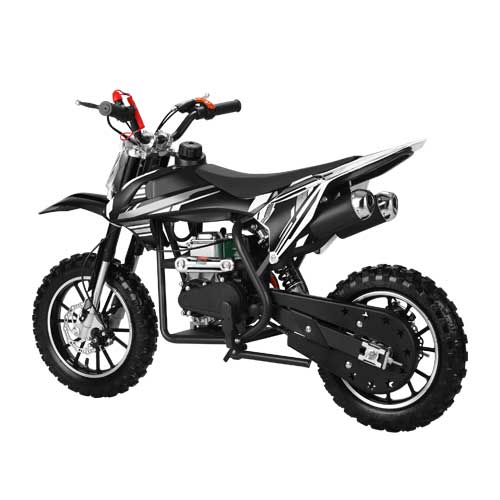
Seat height matters first. The rider should touch the ground with at least one foot flat. A bike that is too tall creates fear and crashes. I measured seat height before looking at any other spec.
For first-time riders, I recommend a four-stroke. It is forgiving and smooth. For riders with a year or more of experience who want to race, a two-stroke makes more sense. It rewards skill and gives more performance per cc.
I will not buy a kids’ bike without a throttle limiter and a remote kill switch. These two features give parents real control. I also look for a solid brake setup and good stock tires for the terrain.
The bike price is not the full cost. I add a helmet, gloves, boots, chest protector, and knee pads. I also budget for a first service at 10 hours of ride time. Quality gear costs as much as an entry-level bike. Plan for both.
Factor | What to Look For | Why It Matters |
Seat height | Foot touches ground | Confidence and safety |
Engine type | 4-stroke for beginners | Smooth and forgiving |
Safety features | Limiter, kill switch | Parent control |
Brand support | Parts availability | Easy repairs and upkeep |
Total budget | Bike + gear + service | Real cost of ownership |
50cc dirt bikes reach 25 to 40 mph. Engine type, rider size, safety limits, and maintenance all shape that number. Match the bike to your rider and ride safe.