


125CC GAS DIRT BIKE
DB-101 125CC Electric Start 4 Stroke Gasoline Dirt Bike
EXPLORE MORE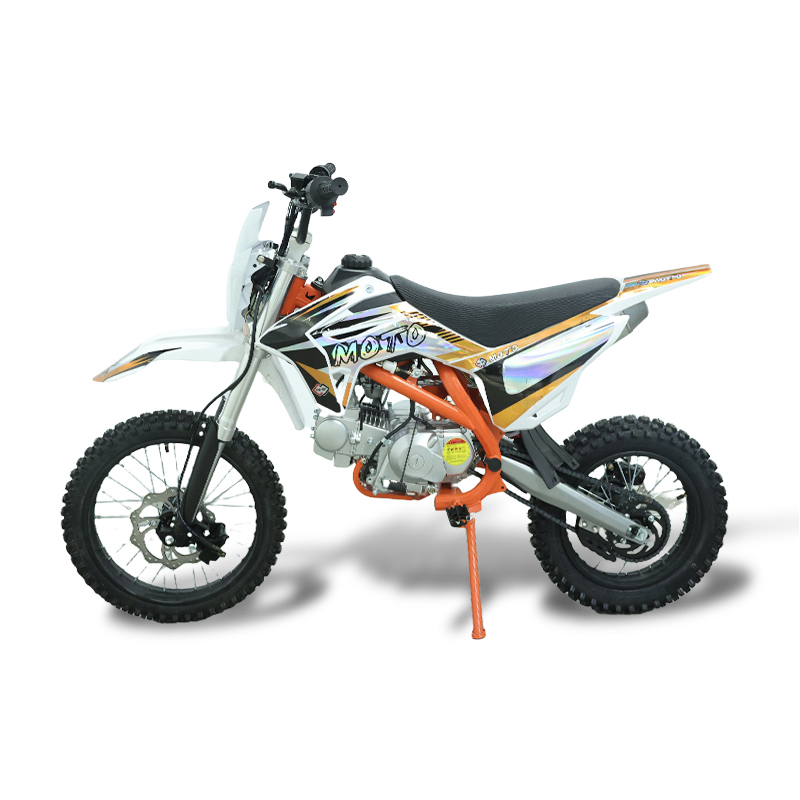
125CC GAS DIRT BIKE
DB-109 125CC 4 Stroke Adult Dirt Bike
EXPLORE MORE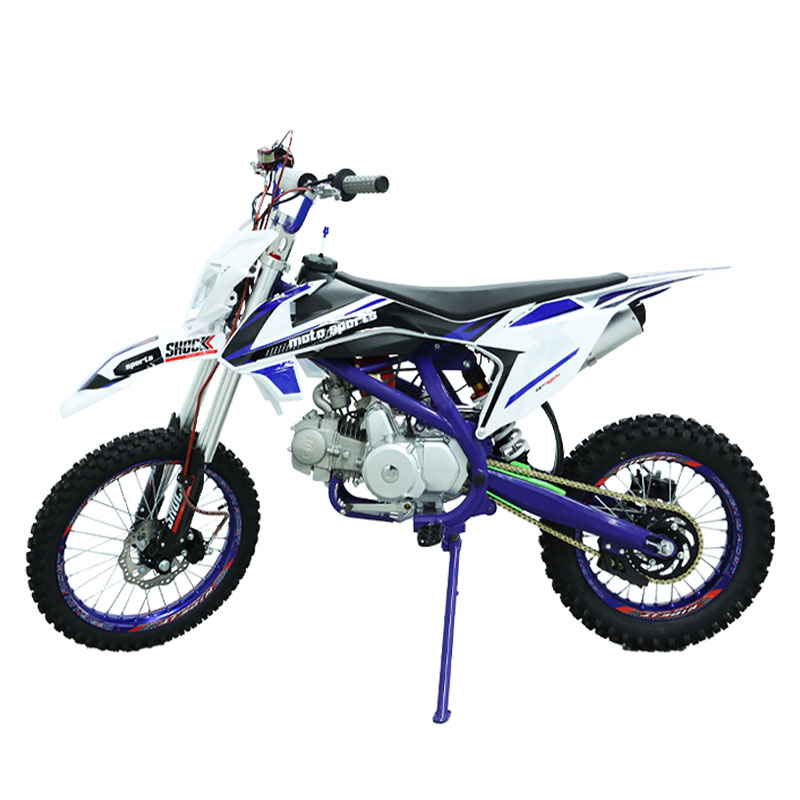
125CC GAS DIRT BIKE
A 125cc dirt bike is light, affordable, and easy to handle. It builds clutch and throttle control fast. It suits teens and many adults. Fit, terrain, and goals decide if it is right.

You want a first bike that does not punish mistakes. Too much power scares new riders. I fixed that by starting friends on 125cc bikes. They learned fast and stayed safe.
A 125cc dirt bike is good for beginners who fit the seat height and can touch the ground. It has gentle power, low weight, and simple handling. It teaches clutch skills without extra risk.
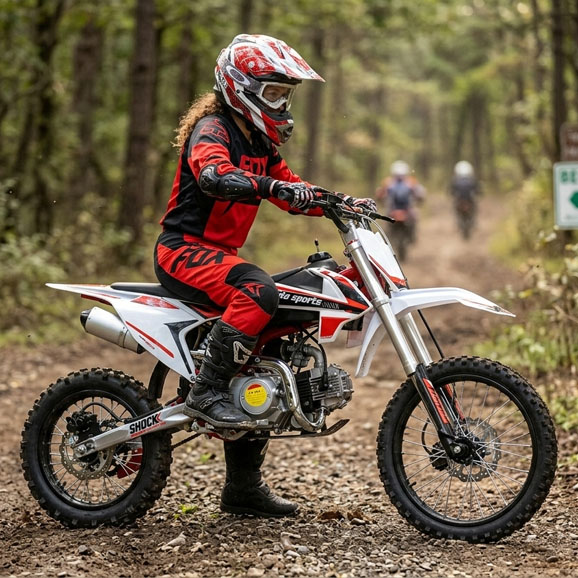
I look at fit first. If I can tiptoe both feet, I feel safe. Most 125cc bikes have seats around 31–38 inches, depending on type. I measure inseam and try the bike in boots. I also think about the riding area and pace. If trails are tight and slow, a 125cc works well. If the hills are long and steep, I plan on using the clutch and momentum. I set controls for my reach and soften levers. I pick a mellow throttle tube if needed. I add hand guards. Below are quick tables to guide that choice.
| Pros (Advantages) | Cons (Disadvantages) |
|---|---|
| Light and forgiving | Less torque on big hills |
| Teaches clutch control | Tall seats on MX models |
| Lower cost to buy | Needs more shifting |
You want enough speed but not a missile. Numbers online confuse most riders. I tested different 125s and kept it simple.
A 125cc dirt bike usually does 35–60 mph, depending on type, gearing, and rider size. Trail 4-strokes run 35–50 mph. MX 2-strokes run 55–70 mph. Off-road speed is mostly about control, not top speed.
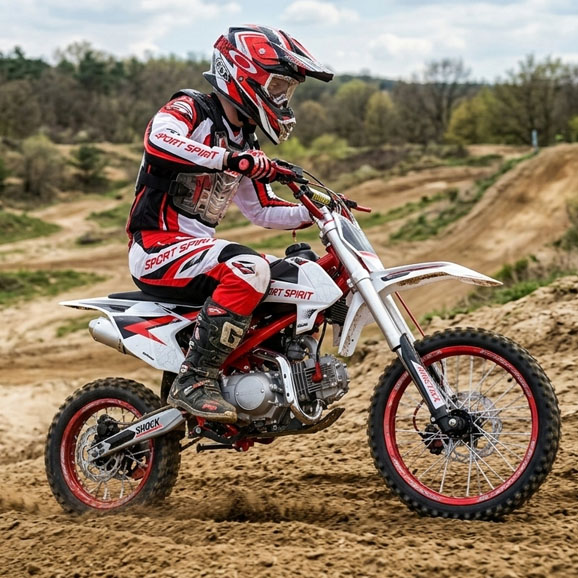
Top speed matters less in the woods. I care about driving out of corners and safe passing. On flat dirt roads, my trail 125 hit about 45 mph. My MX 125 with tall gearing touched near 65 mph. Wind, elevation, and tires changed those numbers. I gear for the terrain I ride most, not for a big top speed I never use. Fresh tires with the right pressure help more than a sprocket sometimes. Here is a quick map of speed and factors.
| Type | Typical Top Speed | Notes |
|---|---|---|
| Trail 125 4T | 35–50 mph | Wide gears, soft tune |
| MX 125 2T | 55–70 mph | Close gears, high revs |
| Pit / Play 125 | 30–45 mph | Small wheels, low gearing |
| Factor | Effect |
|---|---|
| Gearing | Taller = more top, lower = more pull |
| Rider weight | Heavier = slower acceleration |
| Elevation | Higher = less power |
| Tires/pressure | Rolling resistance changes speed |
| Jetting / EFI map | Power curve shifts |
You want a clear age target. Charts disagree. I learned that size and skill beat age on paper.
Most 125cc dirt bikes suit riders 13 and older who can manage seat height and clutch. Inseam, maturity, and experience matter more than age. If a rider can balance and control, 125cc fits.
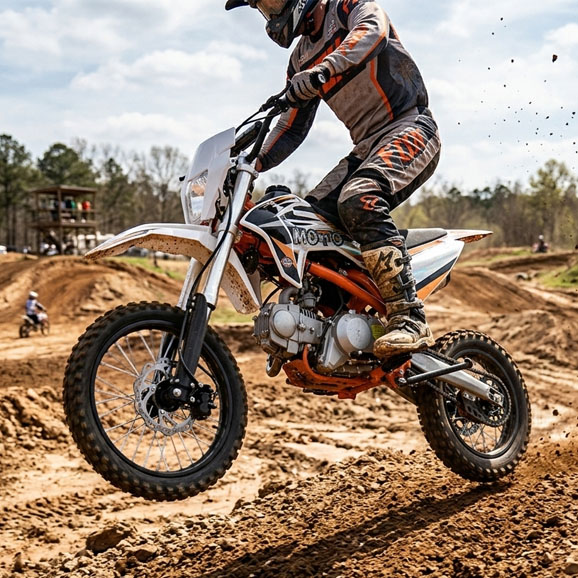
I check toes first, then control. A teen with a 30–32 inch inseam fits most trail 125s. A tall teen or small adult can fit MX 125s. I watch for calm throttle use and steady braking. I run a short parking lot drill: start, stop, clutch release, and low-speed turns. If this is smooth, the trail ride is safer. I keep first rides short and positive. We add one new skill each time. Here are simple fit and readiness tables.
| Age | Avg Height | Inseam | Likely Fit |
|---|---|---|---|
| 11–12 | 4’8″–5’0″ | 26–28″ | Small-wheel 125 trail |
| 13–15 | 5’0″–5’6″ | 28–31″ | Standard 125 trail |
| 16+ | 5’5″+ | 30–34″+ | Trail 125 or MX 125 |
| Skill | Ready | Not Ready |
|---|---|---|
| Clutch release | Smooth | Jerky |
| Braking | Two fingers, controlled | Grabs and skids |
| Balance | Stands and turns slowly | Dabs constantly |
| Mindset | Calm, listens | Rushes, ignores tips |
You want a bike that is fun and not a money pit. Big bikes feel like overkill. I keep coming back to 125cc for pure riding joy.
Choose a 125cc dirt bike if you want a lightweight, low-cost bike with strong handling and great fun. It rewards good form and throttle control. It keeps crashing slower and cheaper.
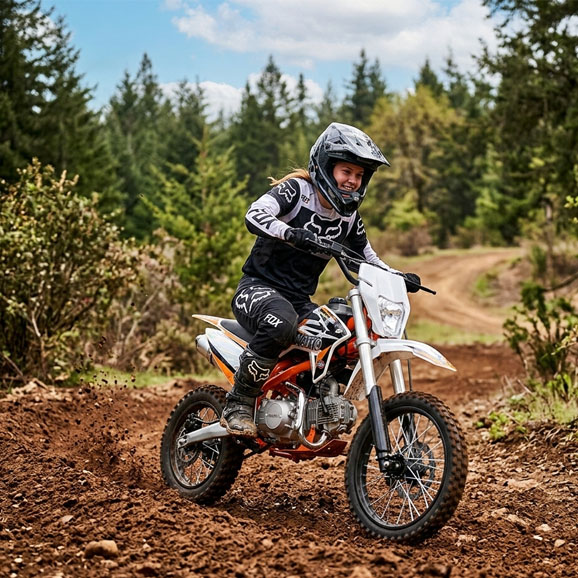
I ride 125cc when I want to get better. The engine asks me to carry momentum and pick lines. My body learns to stand, lean, and brake right. Parts are cheaper. Fuel use is low. The bike is easier to load. On tight trails, a 125 feels alive. On open sand or long climbs, I plan more. I downshift sooner and keep revs happy. This teaches timing that scales to bigger bikes later. Check the fit below.
| Attribute | Benefit |
|---|---|
| Weight | Easy control and recovery |
| Cost | Lower buy-in and parts |
| Power delivery | Forgiving for learners |
| Skill growth | Demands good technique |
| Fun factor | Revvy and engaging |
| Rider Need | Better Option |
|---|---|
| Heavy rider + steep hills | 250 4T or 200–250 2T |
| Long sand whoops | 250/300 2T or 450 4T |
| Dual-sport road links | 250+ with plate |
You fear buying a lemon. Photos hide problems. I avoid expensive mistakes with a short checklist and a simple plan.
Buy from trusted sources, test fit first, and verify maintenance history. Decide on 2-stroke MX vs 4-stroke trail based on terrain. Inspect, test ride, and budget for gear, tires, and service.
I pick new when I want a warranty and zero surprises. I pick up when I know what to inspect. I look at the air filter, oil, spokes, chain, and frame rails. I start the bike cold and listen. I check VIN and parts availability. I choose models that match my trials. Power second—paperwork third.
| Option | Pros | Cons |
|---|---|---|
| New | Warranty, fresh parts | Higher price, taxes |
| Used | Save money, extras | Hidden wear, unknown history |
| Item | What I Look For |
|---|---|
| Air filter | Clean, oiled, proper seal |
| Oil/trans fluid | Fresh color, correct level |
| Chain/sprockets | Even wear, no shark teeth |
| Wheels/spokes | True rims, tight spokes |
| Suspension | No leaks, smooth action |
| Frame/pegs | Cracks or bends |
| Cold start | Fires quickly, no odd noises |
You want reliable rides, not garage days. Small parts fail when you ignore them. I keep a simple schedule that prevents most problems.
Clean the air filter, check the chain, inspect spokes, and change oil or transmission fluid on time. Use fresh fuel, torque key bolts, and keep tires at the right pressure.
I keep maintenance easy to follow. After dirty rides, I wash, dry, and lube. I service the air filter more than I think I need. I set chain slack by the book. I log hours to track oil changes and top-end life for 2-strokes. I use quality premix and follow the ratio that the manual suggests. For 4-strokes, I change oil and filter often. I carry a small tool roll and spare plug. I check spoke tension and rim condition after rocky days. I keep cables smooth with lube and proper routing. This routine keeps my 125s starting easy and running crisp.
| Task | Trail Riding | Track Riding |
|---|---|---|
| Air filter | Every 1–2 rides | Every ride |
| Oil/trans fluid | 10–15 hours | 5–8 hours |
| Chain clean/lube | Every ride | Every ride |
| Spokes check | Every ride | Every ride |
| Brake pads | Inspect weekly | Inspect every ride |
| Coolant | Pre-season | Monthly in hot climates |
| System | 2-Stroke 125 | 4-Stroke 125 |
|---|---|---|
| Fuel | Premix at set ratio | Straight gas |
| Oil | Gearbox only | Engine + filter |
| Top end | Piston/rings 40–120 hrs | Valves/check lash 50–100 hrs |
Pick a 125cc that fits your height, terrain, and goals. Start simple, maintain it well, and grow skills fast. Light bikes make safer riders.