

ELECTRIC DIRT BIKE
VALTINSU EM-5
EXPLORE MORE
ELECTRIC DIRT BIKE
VALTINSU EM-5 PRO
EXPLORE MORE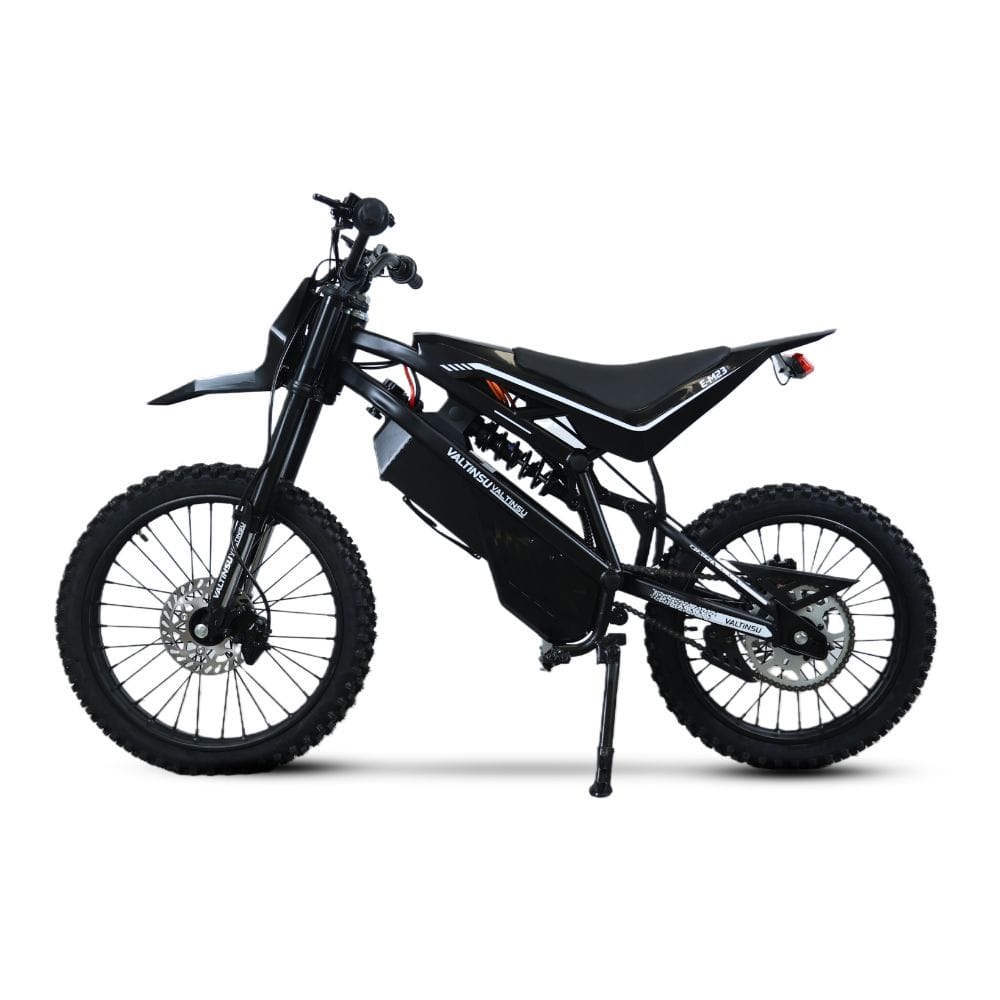
ELECTRIC DIRT BIKE
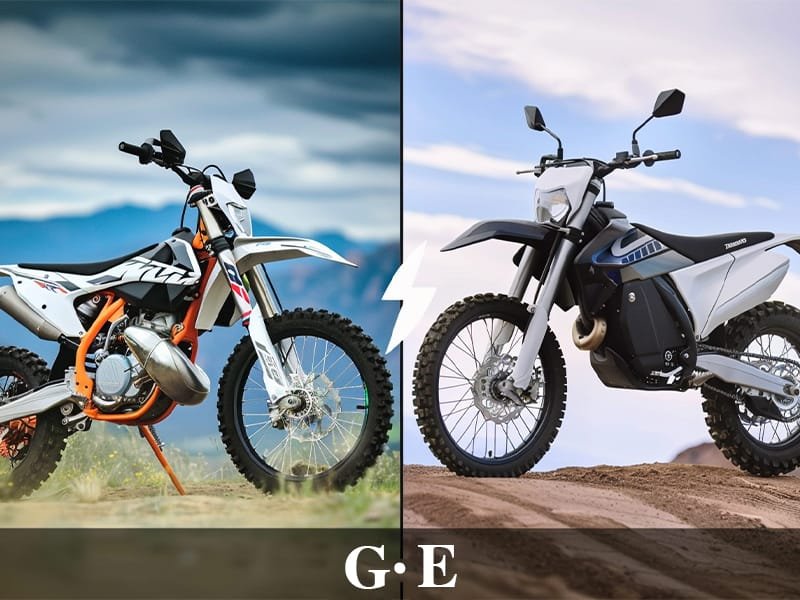
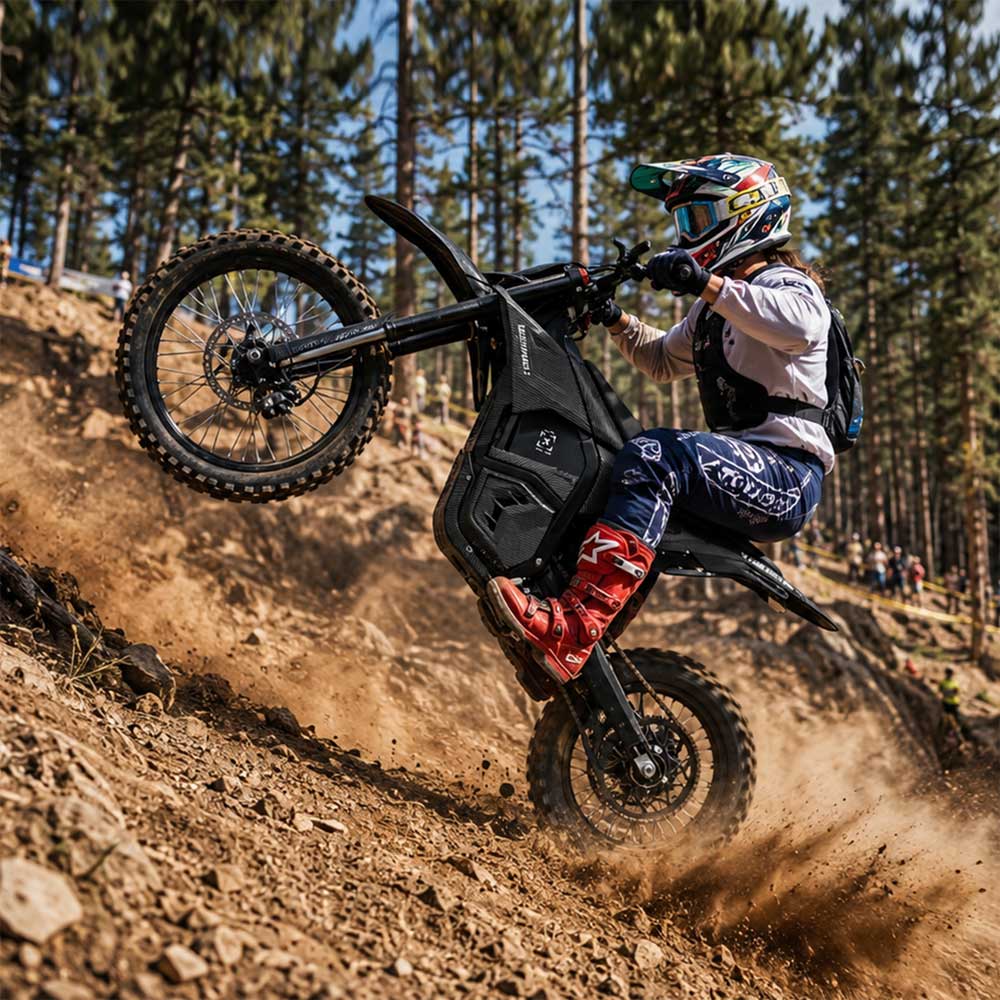
Today’s electric dirt bikes range from affordable beginner-friendly models to high-performance electric motorcycles built for motocross, steep climbs, and demanding off-road trails. Some prioritize raw power, while others offer a more manageable riding experience at a lower price.
In this guide, we’ll compare five electric dirt bikes worth considering, explain what matters most when buying one, and help you find the best option for your needs.
| Electric Dirt Bike | Best For | Price Range |
|---|---|---|
| Stark VARG | Professional motocross and experienced riders | Premium |
| Surron Ultra Bee HP | High-performance trail riding | Premium |
| Zero XE | Entry-level electric off-road motorcycling | Around $6,295 |
| Yozma IN 10 Pro | Budget-conscious beginners | Around $1,899 |
| Valtinsu EM-5 Pro | Recreational off-road riding on a budget | Check current pricing |
Prices and specifications may vary by model year, configuration, and retailer. Verify current manufacturer specifications before purchasing.
The Stark VARG is a leading option for experienced riders who want motocross-level performance from an electric motorcycle. Rather than simply adapting a bicycle-style frame for off-road use, it is designed around a full-size motorcycle platform.
Its major strengths include high power output, adjustable power delivery, and a competition-oriented chassis and suspension setup. Riders can tailor the power characteristics to suit different tracks and riding conditions.
Key advantages:
Extremely high performance for motocross and enduro riding
Adjustable power delivery
Motorcycle-grade suspension and chassis design
No clutch or conventional gearbox to manage
Potential drawbacks: Its premium positioning, performance level, and cost make it less suitable for casual riders or those just learning off-road riding.
Best for: Experienced adult riders who prioritize performance and have the skills to control a powerful electric motocross bike.
The Surron Ultra Bee HP is a strong choice for riders who want a combination of power, torque, and off-road versatility. It occupies a middle ground between smaller, lightweight electric dirt bikes and larger, full-size electric motorcycles.
Its high-output powertrain supports quick acceleration, while its motorcycle-style design is suited to more demanding trails and technical terrain. Surron’s established aftermarket ecosystem is another advantage for riders interested in upgrades and customization.
Key advantages:
Strong acceleration and climbing performance
Suitable for challenging off-road trails
More substantial platform than lightweight trail models
Broad aftermarket upgrade options
Potential drawbacks: The price is higher than many entry-level alternatives, and the bike’s power requires appropriate riding skills and protective equipment.
Best for: Intermediate to experienced riders who regularly ride steep trails, uneven terrain, and technical off-road routes.
The Zero XE is worth considering for riders looking for an electric off-road motorcycle from an established electric motorcycle manufacturer. Its appeal lies in accessible electric power delivery and a motorcycle-oriented design.
Electric power can make off-road riding feel more straightforward because riders do not need to coordinate a clutch and conventional gear changes. However, beginners still need to learn throttle control, braking, balance, and safe trail techniques.
Key advantages:
Smooth electric power delivery
Motorcycle-style off-road design
No clutch or traditional gear shifting
A potential option for recreational trail riding
Potential drawbacks: Its price, around $6,295 according to the supplied reference, may be beyond the budget of first-time buyers. Confirm the latest price and specifications for the exact model year and market.
Best for: Riders who want an electric motorcycle experience and are willing to invest in a more established motorcycle platform.
For riders who want to try electric dirt biking without spending several thousand dollars more, the Yozma IN 10 Pro offers a budget-oriented alternative.
A VICE review published in October 2026 lists a price of approximately $1,899 and reports a 5,500W peak motor, 220 Nm of torque, and a claimed top speed of 50 mph. The reviewer highlighted its accessible price, multiple riding modes, and enjoyable trail performance. Actual results depend on rider size, terrain, and riding style.
Key advantages:
Lower purchase price than premium electric motorcycles
Multiple riding modes for different riding conditions
Strong performance for its price category
Suitable for recreational trail riding
Potential drawbacks: Frame size and adjustability may not suit every adult. Buyers should also investigate replacement-part availability, warranty coverage, and after-sales support before purchasing.
Best for: Budget-conscious beginners and recreational riders who want to explore off-road riding without immediately investing in a premium machine.
The Valtinsu EM-5 Pro is another option to consider when comparing electric dirt bikes for recreational off-road use. It is positioned below high-performance motocross machines in terms of overall performance and is aimed at riders who want an accessible entry into electric off-road riding.
When evaluating the EM-5 Pro, look beyond its headline motor specifications. Battery capacity, suspension performance, hydraulic brakes, tire configuration, and access to replacement parts all affect the ownership experience.
Key considerations:
A more budget-conscious alternative to premium electric motorcycles
Multiple riding modes for different riding preferences
Hydraulic braking for controlled stopping
Off-road tires and a dirt-bike-style riding platform
Before choosing a model, confirm the current specifications, including peak and rated motor power, battery capacity, maximum speed, and recommended rider size. Also check the availability of replacement batteries and other service parts in your region.
Best for: Recreational riders who prioritize value and practical off-road performance over professional motocross capability.
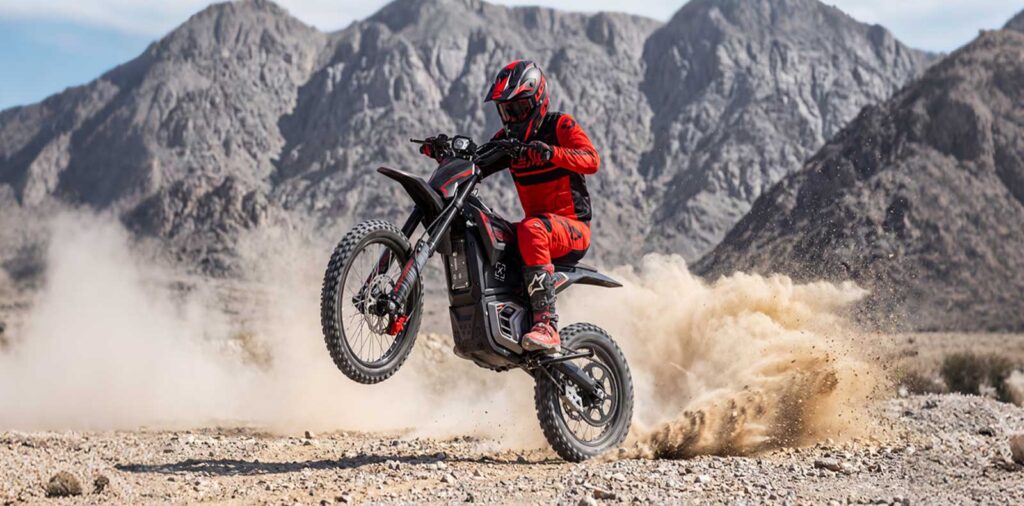
The best electric dirt bike is the one that matches your actual riding needs. Pay close attention to these five factors before you buy.
Beginners generally benefit from manageable power delivery, predictable brakes, and a bike that fits their height and weight. Riding modes can help riders become familiar with throttle response before moving to more aggressive settings.
Experienced riders may need stronger suspension, greater ground clearance, more power, and a chassis designed for jumps or demanding technical terrain.
Avoid choosing a bike solely because it has the highest advertised wattage. Excess power does not compensate for poor fit, limited suspension, or a lack of riding experience.
Battery capacity is one of the most important factors when comparing electric dirt bikes. A larger battery can provide more energy, but actual riding time also depends on the motor, controller, rider weight, and terrain.
Many recreational electric dirt bikes deliver roughly one to three hours of trail riding per charge, although some models can last longer under favorable conditions.
Real-world range may be substantially lower than the manufacturer’s maximum claim because of:
Steep hills and repeated acceleration
Sand, mud, and loose terrain
Higher average speeds
Heavier riders and additional cargo
Cold temperatures and aggressive throttle use
Compare battery capacity in watt-hours (Wh), not just voltage or amp-hours alone. If two batteries have different voltages, watt-hours provide a more useful basis for comparing their energy capacity.
Motor power influences acceleration and sustained performance, while torque contributes to the bike’s ability to accelerate and climb under load.
Electric motors can deliver torque quickly, which is particularly useful on steep climbs and technical trails. The absence of a conventional clutch and gearbox also reduces the number of controls a rider must manage.
However, published power figures are not always directly comparable. Some manufacturers advertise peak power, while others emphasize rated power. Check both figures where available and consider the controller, cooling system, and battery’s ability to deliver power consistently.
A powerful motor is only part of a capable dirt bike. Suspension, tires, brakes, and chassis geometry determine how confidently the bike handles rough ground.
Before buying, evaluate:
Suspension: Check adjustability, travel, and suitability for your weight and terrain.
Brakes: Hydraulic disc brakes can offer effective and consistent stopping performance when properly maintained.
Tires and wheels: Confirm that their size and tread suit the terrain you plan to ride.
Frame and components: Look for durable construction and accessible service parts.
Water resistance: Check the manufacturer’s rating and restrictions for wet-weather use.
These factors can matter more to everyday riding than a small difference in advertised motor output.
Electric dirt bike prices vary widely. Budget-oriented models may cost around $1,500–$3,000, while many mid-range options fall between approximately $3,000 and $6,000. Premium electric motorcycles can cost substantially more.
The initial purchase price is only part of the total cost. Consider battery replacement, tires, brake pads, suspension servicing, shipping, and protective gear.
Before committing to a model, ask the seller about warranty terms, service procedures, replacement battery costs, and the availability of essential components. An affordable bike can become expensive if common parts are hard to find.
Electric and gas dirt bikes offer different ownership experiences.
| Feature | Electric Dirt Bike | Gas Dirt Bike |
|---|---|---|
| Power delivery | Immediate electric torque | Depends on engine and gearing |
| Gear shifting | Usually no conventional gearbox | Usually requires gear changes |
| Noise | Generally much quieter | Louder engine noise |
| Routine maintenance | No engine oil or spark plug changes | Engine and drivetrain servicing |
| Refueling or charging | Requires charging time | Typically quick refueling |
| Riding duration | Limited by battery charge | Extended with additional fuel |
| Best use | Quiet recreational riding and suitable off-road routes | Traditional motocross and extended riding where refueling is available |
Neither type is automatically better for every rider. Electric models appeal to riders who value quiet operation and simpler power delivery, while gas bikes may be preferable for those who need rapid refueling or favor a traditional motocross experience.
Not all electric dirt bikes are legal for public-road use. Many high-powered models are designed exclusively for off-road riding and may be classified as motorcycles or motor vehicles rather than conventional electric bicycles.
Road legality depends on the bike’s equipment, certification, classification, and local regulations. Registration, licensing, insurance, and approved safety equipment may be required.
Trail access also varies. A path open to ordinary bicycles or pedal-assist e-bikes may prohibit high-powered electric dirt bikes.
Before buying, verify the rules in your state or country and confirm whether your intended riding locations permit the specific model. Do not assume that an electric motor makes a dirt bike street legal.
The best electric dirt bike depends on your budget, riding ability, and intended use.
For professional-level performance: Consider the Stark VARG.
For aggressive trail riding: Consider the Surron Ultra Bee HP.
For electric motorcycle ownership: Evaluate the Zero XE and its current specifications.
For budget-conscious beginners: Consider the Yozma IN 10 Pro.
For recreational riding on a budget: Compare the Valtinsu EM-5 Pro with other models in its price category.
Before making your final decision, compare battery capacity, suspension quality, braking performance, rider fit, warranty coverage, and local riding regulations. The right electric dirt bike is not necessarily the fastest or most powerful one; it is the one that delivers the performance, control, and long-term value you actually need.
There is no single best model for every rider. The Stark VARG is a strong choice for experienced motocross riders, while the Surron Ultra Bee HP is worth considering for aggressive trail riding. Budget-conscious beginners may prefer a more affordable model that matches their size, experience, and intended terrain.
Riding time varies by battery capacity, terrain, speed, rider weight, and throttle use. Many recreational models provide around one to three hours of real-world trail riding per charge, but actual results can fall outside this range.
Battery lifespan is a separate consideration and depends on charging habits, storage conditions, temperature, and usage.
Yes, some electric dirt bikes are suitable for beginners. Smooth power delivery and the lack of clutch operation can make them easier to learn on. However, even relatively affordable models can accelerate quickly, so choosing the correct size and power level is essential.
New riders should use appropriate protective equipment, begin in a manageable riding mode, and practice in a permitted, controlled area.
They can be worth the investment if their performance, low noise, and riding experience suit your needs. However, the value depends on the total cost of ownership, including battery replacement, maintenance, protective equipment, and access to parts.
Compare the complete ownership package rather than purchase price alone.
Only if the specific bike meets the applicable road-legal requirements and is properly registered or licensed where required. Many high-powered electric dirt bikes are off-road-only models and cannot legally be ridden on public streets.
Always check local regulations before riding.