


ELECTRIC DIRT BIKE
VALTINSU EM-5
EXPLORE MORE
ELECTRIC DIRT BIKE
VALTINSU EM-5 PRO
EXPLORE MORE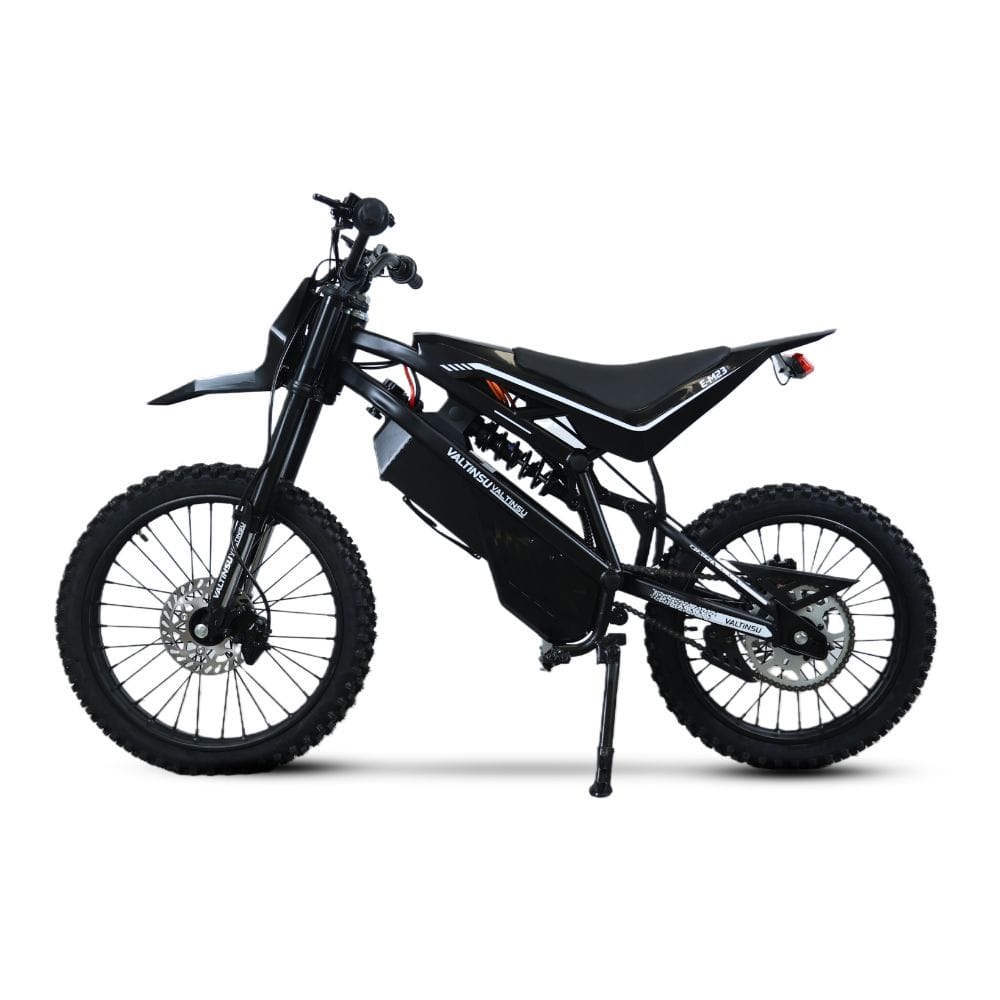
ELECTRIC DIRT BIKE
So, how fast is 36V in mph?
In general, a typical 36V e-bike can reach around 15 to 20 mph, although some 36V setups with more powerful motors can reach 20 to 28 mph under the right conditions. The actual top speed depends on much more than battery voltage alone. Motor power, controller settings, rider weight, tire size, terrain, and speed limits all make a difference.
That is why two electric bikes with the same 36V battery can have noticeably different performance.
For most standard 36V electric bikes, a realistic top-speed range is approximately 15–20 mph.
A 36V bike with a 250W motor will usually sit toward the lower end of that range, while a stronger motor and controller combination can provide more acceleration and potentially a higher top speed.
As a general guide:
36V E-Bike Setup | Typical Speed |
250W motor | Around 15–20 mph |
350W motor | Around 18–22 mph |
500W motor | Around 20–28 mph |
Higher-power setup | Can exceed 28 mph, depending on the system |
These numbers are only a general reference, not a guarantee. For example, one 36V e-bike manual lists a top speed of 17.5 mph in its performance mode, while other 36V systems with 500W motors can be designed for higher speeds.
For everyday riding, 15–20 mph is a reasonable expectation for a conventional 36V e-bike.
Not by itself.
This is one of the most common misunderstandings when comparing electric bikes.
The 36V number refers to the nominal voltage of the battery system. It tells you something about the electrical system, but it does not tell you the exact top speed.
Think of it this way:
Voltage + motor + controller + bike design = actual performance
A 36V battery paired with a 250W motor will behave differently from a 36V battery paired with a 500W motor.
The controller is also important because it determines how much current can be delivered to the motor. In simple terms, voltage influences the motor’s operating characteristics, while current and motor power have a major effect on acceleration and the ability to maintain speed under load.
That is why looking at battery voltage alone can give you the wrong idea about an e-bike’s performance.
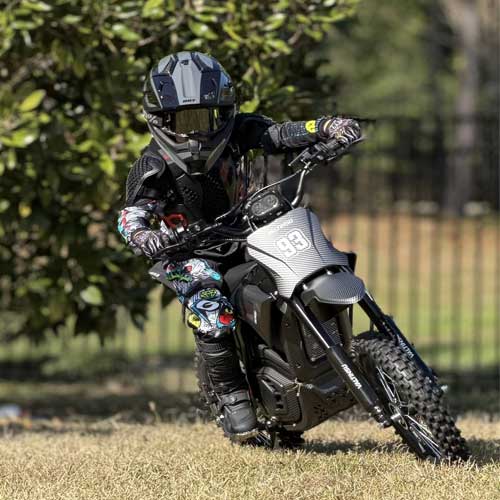
A 36V 500W e-bike can generally be faster and stronger than a basic 36V 250W model.
Depending on the motor, controller, wheel size, rider weight, and programming, a 36V 500W setup may reach roughly 20–28 mph.
However, 500W does not automatically mean the bike will reach 28 mph.
For example, a heavy bike carrying a heavier rider may struggle to reach the same speed as a lightweight bike with the same battery and motor rating. Hills, wind resistance, tire pressure, and battery charge level can also affect performance.
This is why manufacturers normally evaluate the complete electrical system, rather than using wattage or voltage as a standalone speed specification.
Several factors can make a noticeable difference.
Motor power is one of the biggest factors.
A 250W motor is generally designed for moderate everyday riding, while a 500W motor has more available power for acceleration, hills, and heavier loads.
But higher wattage does not always translate directly into a proportionally higher top speed. Motor design, gearing, controller limits, and wheel size all matter.
The controller manages how electrical power reaches the motor.
Some e-bikes are deliberately programmed with a lower speed limit. Even if the motor and battery could theoretically operate at a higher speed, the controller may prevent the bike from going faster.
This is particularly important when comparing e-bikes from different markets because legal speed limits and product classifications vary.
Rider weight has a noticeable effect on acceleration and hill climbing.
On flat ground, a lighter rider may reach the bike’s maximum speed more easily. A heavier rider or additional cargo requires more power, especially when riding uphill or accelerating from a stop.
A 36V e-bike can feel quite different on a flat road compared with a steep hill.
On level pavement, the bike may reach close to its advertised top speed. On a long incline, speed can drop significantly because the motor has to work against gravity.
Wind has a similar effect. A strong headwind increases aerodynamic resistance and can reduce your actual speed.
Battery voltage gradually drops as the battery is discharged.
When the battery is near full charge, the motor may deliver its strongest performance. As the battery level falls, acceleration and top speed can decrease depending on the battery and controller system.
Battery capacity is also important, but Ah is not the same thing as speed. A larger-capacity battery generally gives you more energy and potentially more range; it does not automatically make the bike faster.
A lightweight bike has an advantage when accelerating, while a heavier frame can require more energy.
Tires matter as well. Wide off-road tires can provide excellent grip on loose surfaces but create more rolling resistance on pavement. Road-oriented tires can feel faster and more efficient on smooth surfaces.
If you are comparing a 36V vs. 48V e-bike, the 48V system generally has more potential for higher performance.
Typical ranges often look something like this:
Battery System | Typical Application | Approx. Speed Range* |
36V | Commuting, light recreational riding | 15–20 mph |
48V | More powerful commuting and recreational bikes | 20–28 mph |
52V | Performance-oriented e-bikes | 25–32+ mph |
*Actual speed depends on the motor, controller, bike design, rider, terrain, and applicable speed restrictions.
A 48V system can provide more electrical headroom for a suitably matched motor and controller. However, simply replacing a 36V battery with a 48V battery is not a safe or reliable way to increase speed. The motor, controller, charger, wiring, and battery management system must all be compatible.
If you are designing or sourcing an electric bike, it is better to select the complete power system first rather than choosing the battery voltage in isolation.
For many riders, yes.
A top speed around 15–20 mph is enough for commuting, neighborhood riding, bike paths where permitted, and casual recreational use.
The biggest advantage of a 36V system is not necessarily maximum speed. It can be a practical choice when you want a relatively simple and efficient electric bike for normal riding.
For riders who regularly deal with steep hills, heavy loads, longer distances, or want stronger acceleration, a higher-voltage system may make more sense.
The right choice depends on the riding conditions rather than simply choosing the highest voltage available.
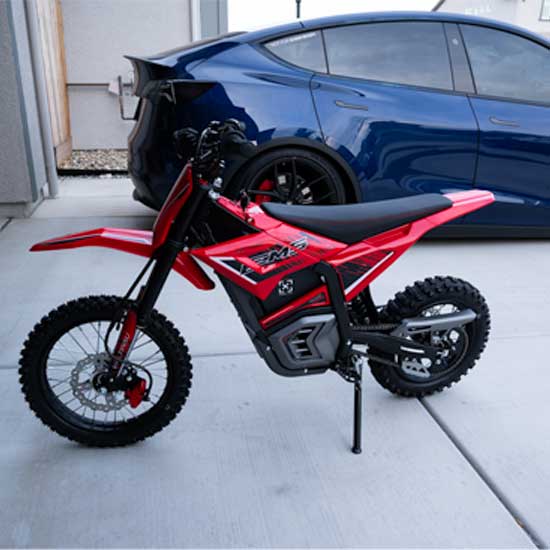
There are several factors that can influence performance, but increasing speed should not be the only goal.
A properly matched motor and controller can improve acceleration and hill-climbing performance. Keeping tires correctly inflated, maintaining the drivetrain, reducing unnecessary weight, and keeping the battery in good condition can also help the bike perform closer to its designed specifications.
Changing the battery voltage or bypassing a factory speed limiter is a different matter. Doing so can create compatibility, overheating, warranty, and legal issues.
Before modifying an e-bike, check the manufacturer’s specifications and the regulations that apply where you ride.
If you are looking for a quick answer, here is the simple version:
A typical 36V electric bike can travel around 15–20 mph.
A more powerful 36V system, such as a 500W configuration, may reach approximately 20–28 mph, but this depends heavily on the motor, controller, rider weight, terrain, and speed settings.
So, when comparing electric bikes, don’t stop at the battery label.
Instead, look at the complete specification:
Battery voltage
Motor wattage
Motor type
Controller output
Battery capacity
Bike weight
Wheel and tire size
Speed limiter
Intended riding environment
This gives you a much better idea of how the bike will actually perform.
For manufacturers and distributors, speed is only one part of the product equation.
At VALTINSU, we focus on the complete vehicle setup when developing off-road electric models, including motor performance, battery configuration, frame design, suspension, braking, and overall durability.
For distributors looking at OEM electric bikes or electric dirt bikes, the right configuration also depends on the target market. A recreational model for entry-level riders does not necessarily need the same power system as an off-road model designed for more demanding terrain.
That is why specifications such as voltage and wattage should be considered together with the intended application.
So, how fast is 36V in mph?
For a typical 36V e-bike, expect roughly 15–20 mph. A 36V bike using a higher-power motor, such as a 500W setup, may reach around 20–28 mph depending on its controller, motor, rider weight, terrain, and other design factors.
The key takeaway is simple: 36V tells you the battery system voltage, not the exact speed of the bike.
If you’re comparing e-bikes, look at the voltage, motor, controller, battery capacity, and speed configuration as a complete system. That will give you a much more realistic picture of performance than the 36V label alone.