
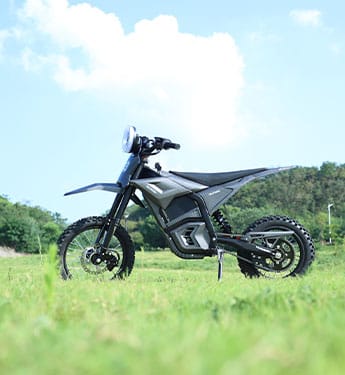

ELECTRIC DIRT BIKE
VALTINSU EM-5
EXPLORE MORE
ELECTRIC DIRT BIKE
VALTINSU EM-5 PRO
EXPLORE MORE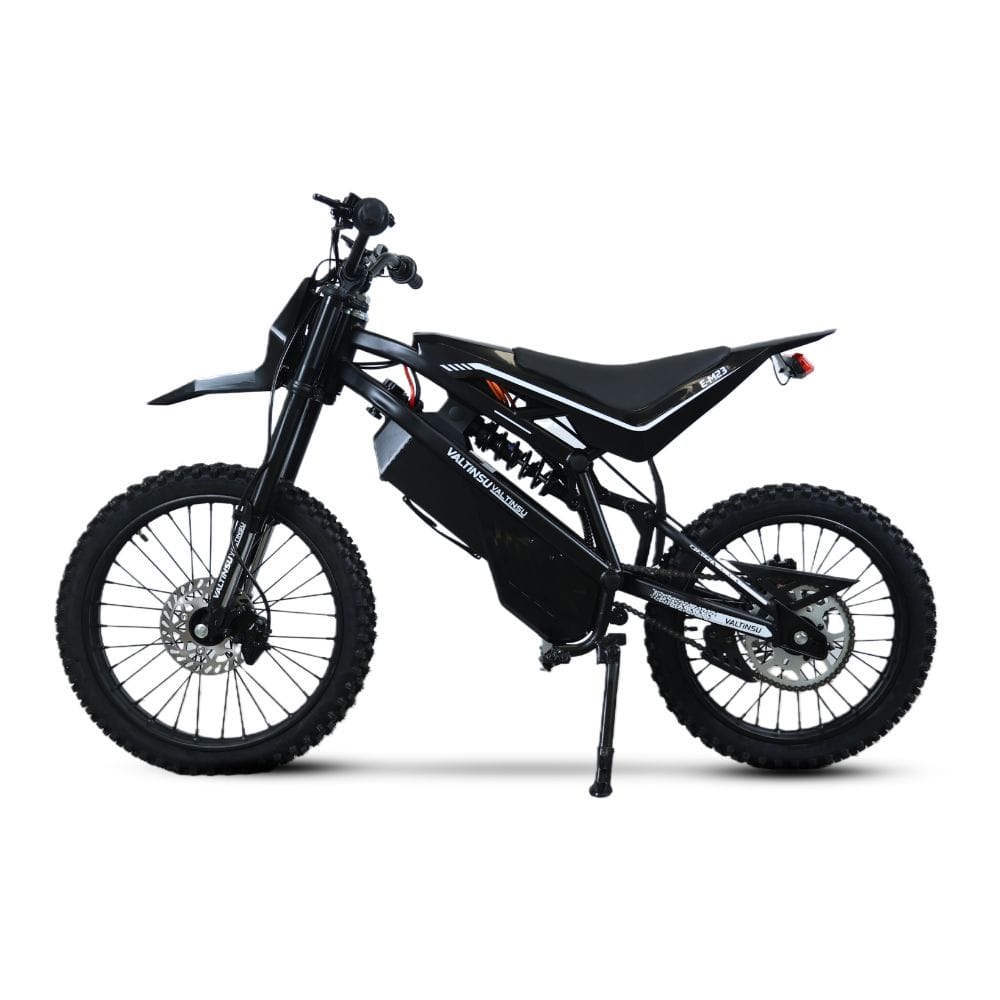
ELECTRIC DIRT BIKE
Electric bikes have become much faster in recent years. Modern eBikes are no longer limited to slow city commuting. With stronger motors, larger batteries, and improved controllers, some models can reach speeds comparable to small motorcycles.
But one question remains important for many riders:
What’s the fastest an eBike can go legally?
The answer depends on where you ride, the type of eBike you own, and local regulations. A high-performance electric bike may be capable of reaching much higher speeds, but legal limits are usually designed around safety and road conditions.
In most regions, legal eBike speed limits are based on the motor assistance speed rather than the maximum speed the bike can physically achieve.
When an eBike reaches the legal limit, the motor assistance must reduce or stop. Riders can sometimes go faster by pedaling downhill or using their own effort, but the electric motor cannot continue providing assistance beyond the regulated speed.
Common classifications include:
A Class 1 electric bike provides pedal assistance only.
Typical limit:
These bikes are widely accepted for bike paths, urban commuting, and recreational riding.
Class 2 eBikes include a throttle system that can power the bike without pedaling.
Typical limit:
They are popular among riders who want easier starts, comfortable cruising, and less physical effort.
Class 3 represents the fastest common legal eBike category in many markets.
Typical limit:
These bikes are designed for faster commuting, longer distances, and riders who want more performance.
For many riders, a Class 3 eBike offers the best balance between speed, practicality, and legal accessibility.
The actual top speed of an electric bike depends on several factors:
A typical commuter eBike may reach:
15–28 mph (24–45 km/h)
A performance-focused electric bike with a powerful motor and high-voltage battery may reach:
35–50+ mph (55–80+ km/h)
However, these higher speeds are often outside standard street-legal eBike classifications.
For example, a 72V electric bike system can deliver significantly stronger acceleration and climbing ability compared with common 36V or 48V commuter models. This type of setup is often preferred by riders looking for off-road performance rather than traditional bicycle commuting.
A fast electric bike is not automatically street legal.
Many countries and regions separate eBikes into different categories:
In many states, eBikes follow the three-class system:
Higher-speed electric bikes may be classified as electric motorcycles or off-road vehicles depending on local laws.
Many European countries follow stricter regulations:
Faster electric bikes may require registration, insurance, or additional licensing.
Regulations vary by state and country.
Some areas allow:
Higher-powered models may fall into motorcycle regulations.
Always check local requirements before purchasing or importing a high-performance electric bike.
Speed is not only about going faster.
Many riders choose powerful eBikes because they need:
Higher torque motors make it easier to handle:
Larger batteries provide:
A powerful electric motor provides quicker response, especially when riding:
This is why performance eBikes and electric dirt bikes are becoming increasingly popular among adventure riders.
Although they share similar technology, high-speed eBikes and electric dirt bikes are designed for different purposes.
Feature | High-Speed eBike | Electric Dirt Bike |
Riding Area | Roads, bike lanes, trails | Off-road terrain |
Pedals | Usually included | Usually not included |
Speed Focus | Efficient commuting | Maximum performance |
Suspension | Moderate | Heavy-duty |
Motor Output | Medium to high | High power |
| Feature | High-Speed eBike | Electric Dirt Bike |
|---|---|---|
| Riding Area | Roads, bike lanes, trails | Off-road terrain |
| Pedals | Usually included | Usually not included |
| Speed Focus | Efficient commuting | Maximum performance |
| Suspension | Moderate | Heavy-duty |
| Motor Output | Medium to high | High power |
For riders who mainly enjoy trails and extreme riding conditions, electric dirt bikes provide stronger frames, larger suspension systems, and higher durability.
VALTINSU focuses on high-performance electric dirt bike solutions designed for distributors, dealers, and off-road enthusiasts who need reliable power, long riding range, and factory-level customization.
At VALTINSU, we understand that speed is only one part of electric vehicle performance.
A reliable high-performance eBike requires:
As an electric dirt bike manufacturer, VALTINSU supports global partners with OEM and ODM services, helping dealers develop products suited for different markets.
From battery configuration to appearance design, customization options allow businesses to create electric bikes that match their target customers.
The fastest eBike is not always the best choice.
Before buying or importing an electric bike, consider:
Choose:
Consider:
Focus on:
A successful eBike business requires the right balance between performance, reliability, and legal compliance.
So, what’s the fastest an eBike can go legally?
For most regions, the legal limit is usually between 20 mph (32 km/h) and 28 mph (45 km/h) depending on classification and local regulations.
Higher-performance electric bikes can reach much faster speeds, but they may require different registration or may only be suitable for private land and off-road use.
Understanding speed regulations helps riders choose the right electric bike and helps dealers select products that match their market requirements.
For businesses looking for reliable electric dirt bike manufacturing and OEM solutions, VALTINSU provides professional production support for global partners.