

ELECTRIC DIRT BIKE
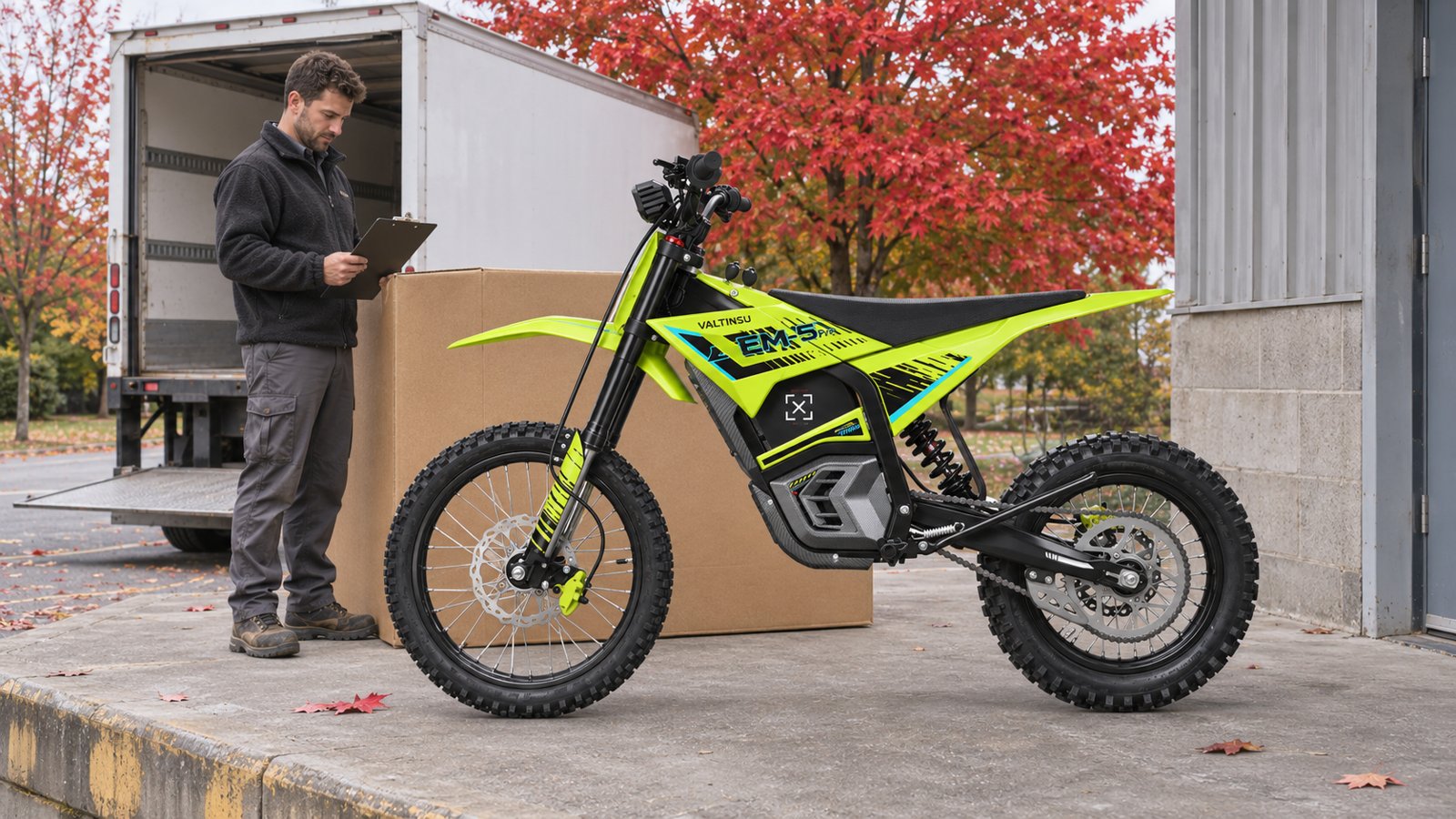
VALTINSU EM-5
EXPLORE MORE
ELECTRIC DIRT BIKE
VALTINSU EM-5 PRO
EXPLORE MORE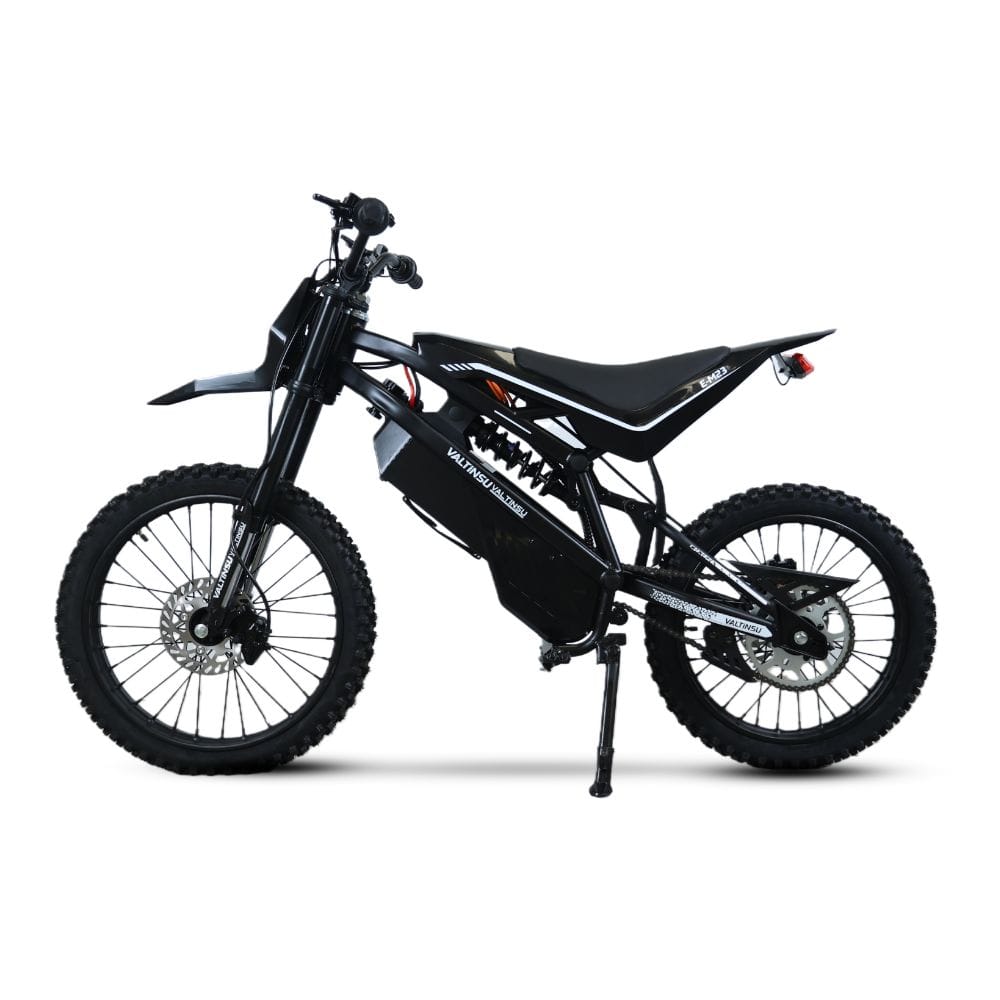
ELECTRIC DIRT BIKE
Regular maintenance is essential for keeping your motorcycle reliable, improving performance, and preventing unexpected problems on the trail.
But what tools do you actually need for a dirt bike?
Whether you own a 50cc beginner dirt bike, a 125cc trail motorcycle, or a full-size 250cc motocross bike, having the right tools can make routine maintenance much easier. You do not need a professional workshop to get started. A basic set of metric wrenches, sockets, screwdrivers, a torque wrench, and tire maintenance tools can handle many common jobs.
In this guide, we will cover the essential dirt bike tools every owner should have, explain which tools are needed for specific maintenance tasks, and show you how to build a practical trail tool kit or home garage setup.
If you are new to dirt bike maintenance, start with a basic toolkit that covers common adjustments, tightening, and minor repairs.
Most modern dirt bikes use metric fasteners, so metric tools should be your first priority.
Here are the essential tools to consider:
| Tool | Main Purpose |
|---|---|
| Metric socket set | Removing and tightening nuts and bolts |
| Combination wrenches | Working in tight spaces |
| Ratchet and extensions | Faster bolt removal and installation |
| T-handle wrenches | Quick access to common fasteners |
| Screwdriver set | Removing covers and adjusting components |
| Hex key set | Working with Allen-head bolts |
| Torx bits | Removing Torx fasteners on compatible models |
| Pliers | Gripping, bending, and removing small components |
| Torque wrench | Tightening critical fasteners to specified torque |
| Tire pressure gauge | Checking tire pressure |
A metric socket set is one of the most important tools for dirt bike maintenance.
Dirt bikes commonly use metric fasteners, and a socket set allows you to remove and install many components without damaging bolt heads.
Look for a set that includes commonly used sizes, suitable extensions, and a ratchet.
A combination of 1/4-inch and 3/8-inch drive tools can cover many routine maintenance tasks. Larger drive sizes may be useful for high-torque applications.
Combination wrenches have an open end on one side and a box end on the other.
They are useful when a socket cannot fit around a fastener, especially in narrow spaces around the engine, frame, and suspension.
A metric combination wrench set is a practical addition to any dirt bike workshop.
T-handle wrenches are especially convenient for motorcycle maintenance.
Their longer handles make it easier to reach recessed fasteners, while the T-shaped grip allows quick turning during repeated adjustments.
They are particularly useful for routine maintenance when removing and reinstalling multiple bolts.
A good screwdriver set should include both flat-head and cross-head drivers.
You should also have metric hex keys or Allen wrenches because many dirt bike components use hex-head fasteners.
Some Japanese motorcycles use JIS cross-head screws, which look similar to Phillips screws but have different design characteristics. Using an appropriate JIS screwdriver can help reduce the risk of damaging these fasteners.
A torque wrench is one of the most important tools for safe motorcycle maintenance.
Unlike an ordinary wrench, a torque wrench allows you to tighten a fastener to a specified torque value.
This matters because different motorcycle components require different tightening forces.
For example:
Axle nuts require the manufacturer’s specified torque.
Brake mounting bolts must be tightened correctly.
Handlebar and control fasteners require appropriate tightening.
Engine and chassis fasteners may have specific torque requirements.
Overtightening can damage threads or components, while insufficient tightening can allow fasteners to loosen during riding.
Not all torque wrenches cover the same measurement range.
A small torque wrench may be suitable for low-torque engine and component fasteners, while a larger wrench may be needed for axle nuts and other high-torque hardware.
If your motorcycle has a wide range of torque specifications, two torque wrenches may be more practical than one.
Before purchasing, compare the tool’s working range with the torque specifications in your motorcycle’s service manual.
Always use the manufacturer’s specified torque values rather than guessing.
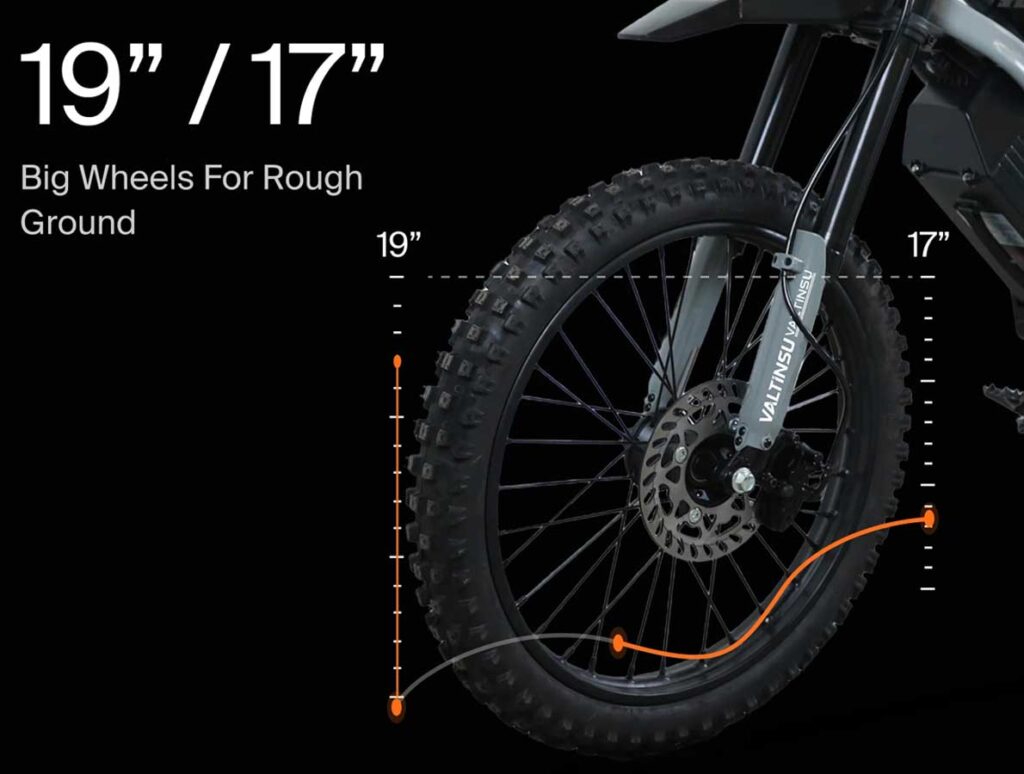
Tire maintenance is one of the most common jobs dirt bike owners may need to perform.
Off-road riding exposes tires and inner tubes to sharp rocks, roots, and other objects that can cause punctures.
A basic tire repair toolkit should include:
| Tool | Purpose |
|---|---|
| Tire pressure gauge | Measuring tire pressure |
| Tire levers | Removing and installing tires |
| Axle wrench or socket | Removing the wheel |
| Wrench set | Loosening wheel hardware |
| Air pump or compressor | Inflating the tire |
| Spare inner tube | Replacing a damaged tube |
| Rim lock wrench, if applicable | Removing or adjusting the rim lock |
Tire levers help you remove a tire from its rim without relying entirely on hand force.
Choose motorcycle-specific tire levers with sufficient strength and an appropriate design for your wheel and tire combination.
Using unsuitable tools can damage the inner tube, tire bead, or rim.
An accurate tire pressure gauge is essential for off-road riding.
Tire pressure affects traction, handling, and the risk of tire damage.
Different riding conditions may require different pressures. For example, loose terrain and rocky trails can place different demands on your tires.
Always follow the tire and motorcycle manufacturer’s recommendations, taking into account the type of tire and riding conditions.
An axle wrench or socket must match the axle hardware on your specific dirt bike.
This is an important detail because universal toolkits do not always include the correct axle size.
Before buying a trail tool kit, check your motorcycle’s front and rear axle nut dimensions.
If you own a gasoline-powered dirt bike, you will need additional tools for engine servicing.
The exact requirements depend on whether your motorcycle has a two-stroke or four-stroke engine.
A spark plug wrench is useful for inspecting or replacing spark plugs.
Two-stroke and four-stroke gasoline dirt bikes use spark plugs to ignite the air-fuel mixture inside the combustion chamber.
However, spark plug sizes and access requirements vary between models.
Always check your owner’s manual to determine the correct spark plug type and wrench size.
Four-stroke dirt bikes generally require periodic engine oil changes according to the manufacturer’s maintenance schedule.
An oil drain pan collects used oil, while a funnel helps prevent spills when adding fresh oil.
You may also need:
The correct socket or wrench for the drain bolt.
A replacement drain plug washer, if specified.
An oil filter wrench or removal tool, if required.
The correct engine oil and replacement filter.
Not all motorcycles use the same oil change procedure. Some models have additional screens, filters, or separate oil compartments.
Two-stroke motorcycles have different lubrication systems. Many use a separate two-stroke oil injection system or require premixed fuel, depending on the engine design.
Do not apply a four-stroke oil-change procedure to a two-stroke motorcycle without checking the manufacturer’s instructions.
Feeler gauges are thin metal blades used to measure small gaps.
They are commonly used when checking valve clearance on four-stroke engines that require periodic valve inspections.
Valve clearance must be checked against the manufacturer’s specifications.
If you are unfamiliar with engine servicing, consider having a qualified mechanic perform this procedure.
A dirt bike’s braking system is essential for rider control and safety.
Regular inspection helps identify worn brake pads, damaged hoses, fluid leaks, and other problems.
Useful brake maintenance tools include:
Metric socket and wrench sets.
Allen keys or Torx bits, depending on the motorcycle.
Suitable brake pad removal tools.
Brake cleaner approved for the relevant components.
A brake fluid bleeding kit.
A suitable fluid container and protective equipment.
Hydraulic brake systems may require periodic fluid replacement or bleeding.
A brake bleeding kit helps remove trapped air and replace old fluid.
However, brake fluid specifications vary between motorcycles. Some systems use DOT 4 or DOT 5.1 fluid, while others specify a different type.
Never mix incompatible brake fluids. Follow the manufacturer’s instructions and protect painted surfaces from brake fluid.
If you are not confident working on hydraulic brakes, have the system serviced by a qualified technician.
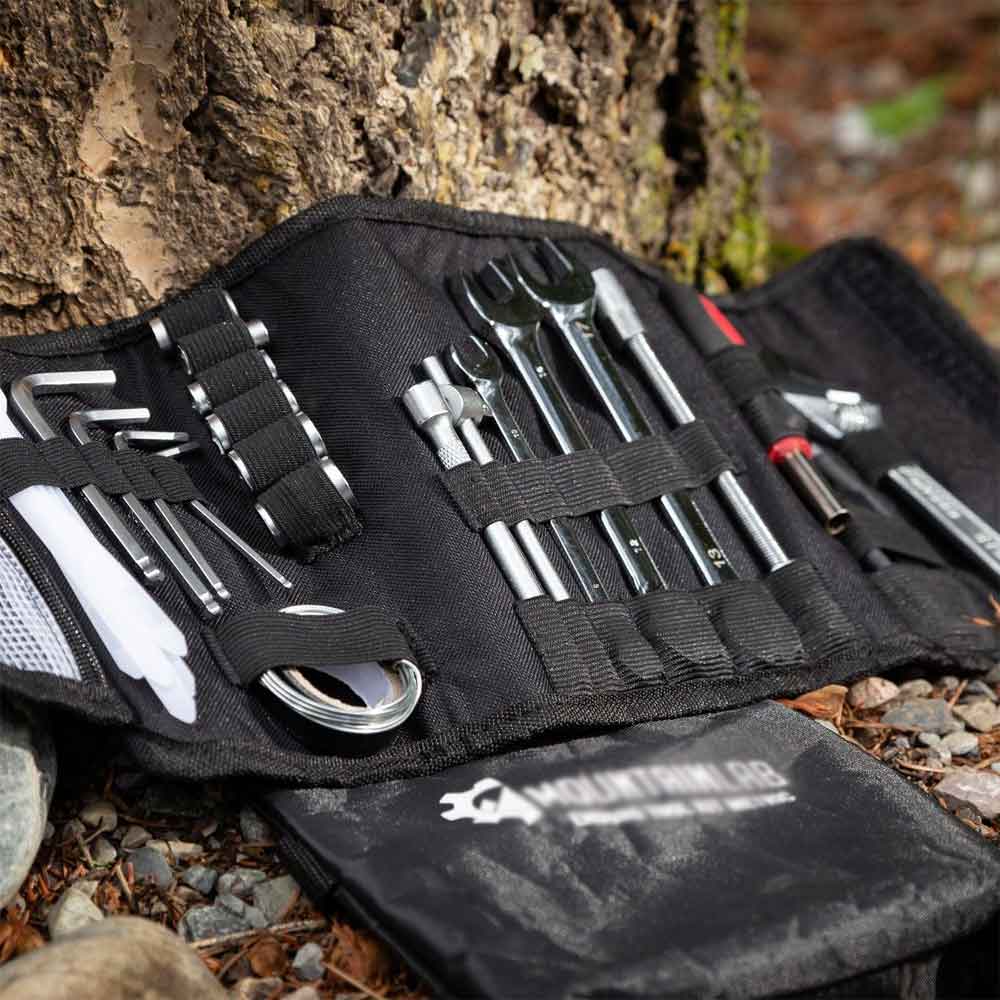
A home workshop can contain many tools, but carrying every tool on a trail ride is impractical.
A trail tool kit should be compact, lightweight, and focused on common problems that can be fixed outdoors.
Here is a useful checklist:
| Tool | Why You Need It |
|---|---|
| Compact metric wrench set | Tightening loose fasteners |
| Mini socket set | Basic adjustments and repairs |
| Correct axle wrench | Wheel removal |
| Tire pressure gauge | Checking tire pressure |
| Tire levers | Repairing flat tires |
| Compact air pump | Inflating tires |
| Multi-tool | Small emergency adjustments |
| Pliers | Gripping and removing components |
| Cable ties | Securing loose cables or parts temporarily |
| Mechanic’s wire | Temporary securing of suitable non-critical components |
| Spare inner tube | Replacing a punctured tube |
| Small flashlight | Working in low-light conditions |
Cable ties and mechanic’s wire are inexpensive additions to an emergency toolkit.
They can help secure loose wiring, hoses, and non-critical components temporarily.
However, temporary repairs should never replace proper repairs to safety-critical components.
Do not use cable ties or wire to hold damaged brakes, steering components, suspension parts, or other critical motorcycle hardware in place.
If you maintain your dirt bike regularly or work on multiple motorcycles, a basic toolkit may not be enough.
A more complete home garage or professional workshop can include specialized equipment.
| Tool | Application |
|---|---|
| Motorcycle lift or stand | Raising and stabilizing the bike |
| Torque wrench set | Accurate fastener tightening |
| Bearing puller or driver | Removing and installing bearings |
| Flywheel puller | Removing compatible engine flywheels |
| Valve clearance tools | Checking and adjusting valve clearance |
| Compression tester | Checking engine compression |
| Multimeter | Diagnosing electrical problems |
| Brake bleeding equipment | Servicing hydraulic brakes |
| Chain breaker and rivet tool | Chain removal and installation |
| Tire changing stand | Making tire replacement easier |
| Service manual | Following model-specific repair procedures |
A multimeter is particularly useful when diagnosing electrical problems.
It can help measure voltage, resistance, and continuity in electrical circuits.
For gasoline dirt bikes, it can assist with checking batteries, charging systems, wiring, and electrical connections.
For electric dirt bikes, electrical diagnosis is more specialized. Battery packs, motor controllers, and high-current wiring may require manufacturer-specific diagnostic equipment and trained technicians.
Do not open or repair a high-voltage battery pack without the appropriate training and safety procedures.
A motorcycle stand makes many maintenance tasks easier by lifting and stabilizing the bike.
It is useful when cleaning the chain, inspecting the wheels, checking suspension components, and performing general maintenance.
Choose a stand that matches your motorcycle’s frame design, weight, and lifting requirements.
The cost of a dirt bike toolkit depends on its quality, number of tools, and intended use.
Here is a general U.S. budget guide:
| Toolkit Type | Estimated Budget |
|---|---|
| Basic maintenance toolkit | $50–$120 |
| Intermediate home garage toolkit | $150–$300 |
| Complete trail repair kit | $50–$150 |
| Specialized motorcycle tools | $100–$300+ |
| Professional workshop setup | $500+ |
These are planning estimates rather than fixed retail prices. A complete workshop may cost considerably more depending on the tools and equipment selected.
If you are a beginner, there is no need to purchase everything at once.
Start with the basic tools you need for routine maintenance. Add specialized equipment when a particular repair or service procedure requires it.
Not exactly.
Gas-powered and electric dirt bikes share many mechanical components, but their power systems require different maintenance tools.
| Maintenance Task | Gas Dirt Bike | Electric Dirt Bike |
|---|---|---|
| Tire pressure checks | Yes | Yes |
| Chain maintenance | If chain-driven | If chain-driven |
| Brake maintenance | Yes | Yes |
| Suspension inspection | Yes | Yes |
| Spark plug replacement | Yes, if spark-ignition engine | No |
| Engine oil changes | Depends on engine type | No conventional engine oil |
| Air filter maintenance | Depends on design | Usually no engine air filter |
| Battery inspection | If equipped with a starting battery | Yes |
| Electrical diagnosis | Yes | Yes, often more specialized |
| Motor maintenance | Engine-specific servicing | Manufacturer-specific procedures |
Gas-powered motorcycles may require spark plug wrenches, oil drain pans, filter tools, and engine-specific service equipment.
Two-stroke and four-stroke models have different maintenance requirements, so always consult the correct service manual.
Electric dirt bikes generally require fewer conventional engine-maintenance tools.
You still need tools for:
Tires and wheels.
Chain and sprocket maintenance.
Brake inspection and servicing.
Suspension adjustments.
General fastener tightening.
Electrical inspections where permitted by the manufacturer.
Electric models also require appropriate charging equipment and battery care.
High-voltage battery and controller repairs should be handled by qualified technicians using approved diagnostic procedures.
Before purchasing a toolkit, consider the following factors.
Different motorcycles use different fastener sizes and specialized components.
A toolkit suitable for one brand may not include the correct axle wrench or spark plug socket for another.
Check your owner’s manual before purchasing.
Most dirt bikes use metric hardware.
Make sure your toolkit includes the metric sizes commonly required by your motorcycle.
Do not assume one torque wrench can handle every fastener.
Compare its operating range with the manufacturer’s torque specifications.
You may need separate tools for smaller fasteners and high-torque axle nuts.
If you frequently ride trails, prioritize compact tools that can fit in a small tool bag.
A home workshop can accommodate larger and heavier tools, but a trail toolkit should focus on essential repairs.
You do not need the most expensive tools for every task.
However, torque wrenches, tire tools, and tools used on critical fasteners should be accurate, reliable, and suitable for the application.
Having the right tools makes dirt bike ownership easier, safer, and more convenient.
You do not need a professional workshop to perform basic maintenance. Start with a metric socket set, wrenches, screwdrivers, hex keys, a torque wrench, and tire maintenance equipment.
As you gain experience, add specialized tools for engine servicing, suspension work, brake maintenance, and electrical diagnosis.
Remember that every dirt bike is different. Always check your motorcycle’s service manual for the correct tool sizes, maintenance procedures, and torque specifications.
Whether you own a small 50cc dirt bike, a 250cc motocross motorcycle, or an electric off-road bike, a properly equipped toolkit will help you keep your motorcycle ready for the next ride.
The most important basic tools include a metric socket set, combination wrenches, screwdrivers, hex keys, pliers, a torque wrench, and a tire pressure gauge.
Yes. A torque wrench is strongly recommended for tightening critical fasteners to the manufacturer’s specified values.
It helps reduce the risk of overtightening or insufficiently tightening important components.
You generally need an axle wrench or socket, tire levers, a tire pressure gauge, an inflation source, and a suitable replacement inner tube if your motorcycle uses one.
Some wheels may require additional tools, such as a rim lock wrench.
Most modern dirt bikes use metric fasteners. However, exact socket, wrench, and axle sizes vary by manufacturer and model.
Check your motorcycle’s service manual rather than assuming one universal toolkit will fit every bike.
They share many tools for tires, brakes, chains, suspension, and general mechanical maintenance.
However, electric dirt bikes do not require conventional spark plug or engine oil service tools. Battery and controller diagnostics may require specialized equipment.
Yes. Many routine tasks, including checking tire pressure, cleaning and lubricating the chain, inspecting fasteners, and replacing certain wear components, can be performed at home.
More complex engine, suspension, brake, and electrical repairs may require specialized tools and technical knowledge.
Maintenance intervals depend on the model, engine type, riding intensity, and operating conditions.
Motocross bikes used in competition may require more frequent inspection and servicing than motorcycles used for occasional recreational trail riding.
Always follow the maintenance schedule in your owner’s manual.