
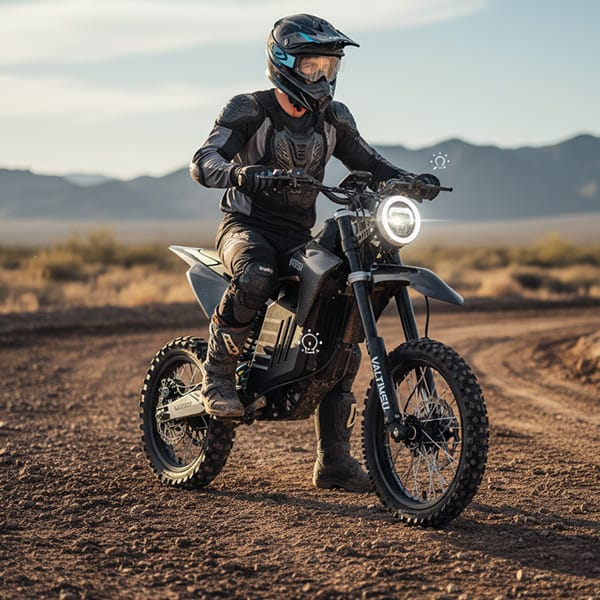

ELECTRIC DIRT BIKE
VALTINSU EM-5
EXPLORE MORE
ELECTRIC DIRT BIKE
VALTINSU EM-5 PRO
EXPLORE MORE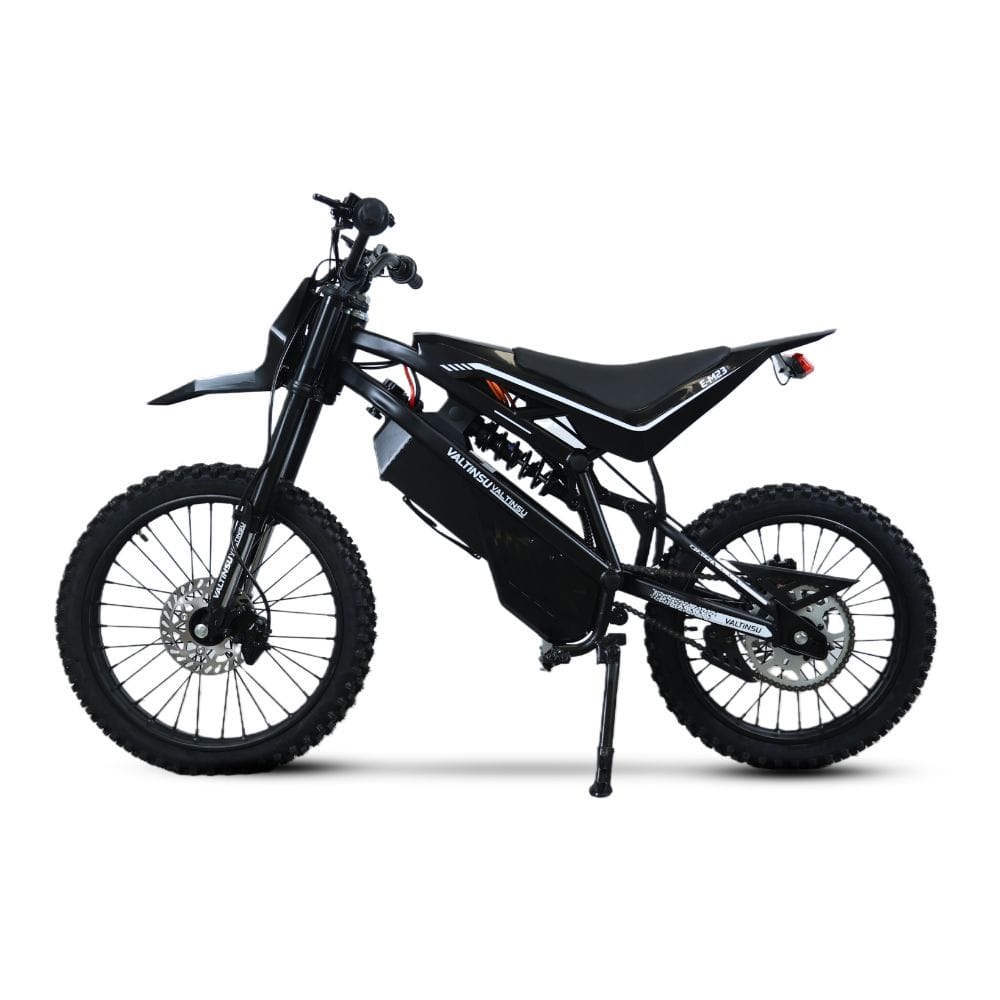
ELECTRIC DIRT BIKE
With different motor configurations, battery capacities, suspension systems, and frame designs available, choosing the right model requires more than comparing top speeds or advertised power ratings.
Whether you are buying your first electric dirt bike, upgrading your current ride, or evaluating products for your powersports dealership, understanding the key specifications can help you make a more informed decision.
In this electric dirt bike buying guide, we will explain what to look for in motor power, battery performance, range, suspension, frame construction, and overall value.
An electric dirt bike is an off-road motorcycle powered by an electric motor and rechargeable battery rather than a conventional gasoline engine. Depending on the model, it may feature a chain drive, hydraulic suspension, selectable riding modes, and a digital display.
Electric dirt bikes are available in a wide range of configurations, from lightweight models designed for beginners to high-performance machines intended for experienced riders.
Some of the main characteristics of electric dirt bikes include:
Electric power delivery: Electric motors can provide responsive acceleration and strong torque, depending on the motor and controller configuration.
Simplified routine maintenance: Electric models do not require engine oil changes, spark plug replacements, or fuel-system servicing, although tires, brakes, chains, bearings, and suspension still need regular attention.
Rechargeable batteries: Riders can recharge the battery using a compatible charger and suitable power supply.
Different performance levels: Motor output, battery voltage, suspension, wheel sizes, and frame geometry vary significantly between models.
Reduced direct emissions: Electric dirt bikes produce no exhaust emissions during operation, although their overall environmental impact also depends on electricity generation, battery production, and product lifespan.
Before choosing a model, consider where you plan to ride, your experience level, and the performance you actually need.
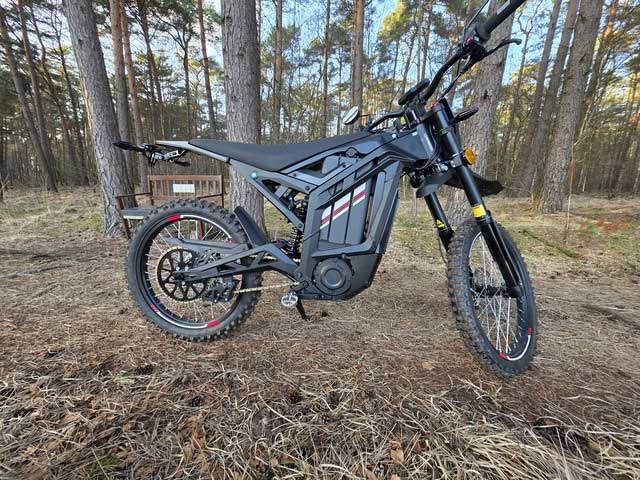
Motor power is one of the first specifications buyers compare when shopping for an electric dirt bike. However, understanding the difference between rated power and peak power is essential.
Rated power generally describes the motor’s continuous power rating under specified operating conditions. Peak power refers to the higher output the motor system can deliver for a limited period, depending on its design and operating conditions.
For example, an electric dirt bike advertised with 3,000W rated power and 8,500W peak power has two different power ratings. These figures should not be treated as interchangeable.
When comparing models, consider the following factors:
Rated motor power and peak motor power
Controller current limits
Battery voltage and discharge capability
Maximum torque and how it is measured
Overall vehicle weight and gearing
Riding terrain and expected performance
A higher peak-power figure does not automatically mean a bike will perform better in every situation. The motor, battery, controller, and drivetrain must work together as a system.
For recreational trail riding, focus on manageable power delivery and control. For experienced riders seeking stronger acceleration, compare the complete power system rather than relying on one specification.
The battery is one of the most important components of an electric dirt bike because it affects available energy, vehicle weight, charging requirements, and practical riding range.
Three specifications deserve particular attention.
Battery voltage is part of the electrical system’s configuration. Models with different voltage ratings may use different motors, controllers, and battery designs.
A 72V electric dirt bike, for example, should be evaluated alongside its motor rating, controller specifications, battery capacity, and overall system design. Voltage alone does not determine performance.
Battery capacity is commonly expressed in amp-hours (Ah), while watt-hours (Wh) provide a more direct measure of nominal stored energy.
A simplified calculation is:
Nominal battery energy (Wh) = Voltage (V) × Capacity (Ah)
For example, a nominal 72V, 32Ah battery represents approximately 2,304Wh, or 2.3kWh, of nominal energy.
Actual usable energy may differ depending on battery design, operating conditions, and the battery management system.
When comparing electric dirt bikes, look at both voltage and capacity rather than choosing a battery based on Ah alone.
Electric dirt bike range varies depending on:
Rider weight and additional load
Riding speed and acceleration
Terrain, elevation, and surface conditions
Temperature and battery condition
Tire pressure and vehicle setup
Riding mode and energy consumption
A manufacturer may advertise a maximum range under particular test conditions, but real-world off-road riding can produce different results.
If range is important to your riding plans, ask how the advertised figure was measured. Consider your typical route, access to charging, and the amount of reserve energy you need.
Charging time is another important factor when choosing an electric dirt bike.
The total charging time depends on battery energy, charger output, charging efficiency, the battery’s starting charge level, and the charging profile. Charging usually slows as the battery approaches full capacity.
Before purchasing, check:
The battery’s nominal voltage and capacity
Compatible charger output and charging voltage
Whether the charger supports any proprietary communication protocol
Recommended charging conditions
Battery and charger warranty coverage
The availability of replacement chargers
Do not assume that two electric dirt bikes with the same battery capacity will have identical charging times. Charger power and battery management characteristics can make a significant difference.
For frequent riders and commercial users, charging arrangements should be considered alongside range and expected daily usage.
Motor power and battery specifications are important, but chassis design has a major influence on how an electric dirt bike handles off-road conditions.
Hydraulic suspension systems help manage impacts from uneven terrain. However, suspension performance depends on more than whether a motorcycle uses hydraulic shock absorbers.
Look at suspension travel, adjustability, damping characteristics, rider weight, and the type of terrain the bike is designed for.
A setup intended for casual trail riding may differ considerably from one designed for aggressive off-road use.
Wheel sizes influence ground clearance, handling, and how a bike responds to different obstacles. Tire design and tread pattern also affect grip on dirt, loose surfaces, and other terrain.
When comparing models, verify the front and rear wheel sizes, tire specifications, and availability of replacement tires.
Electric dirt bike frames may use steel, aluminum alloy, or other materials depending on the model and intended application.
Aluminum alloy frames can offer a useful balance of structural strength and weight when properly engineered. Steel frames may offer different characteristics in terms of cost, fabrication, and repairability.
The best choice depends on the complete frame design, manufacturing quality, intended riding conditions, and long-term service requirements.
Electric and gasoline-powered dirt bikes serve many of the same off-road riding needs, but they differ in operation, maintenance, and energy supply.
| Factor | Electric Dirt Bike | Gas-Powered Dirt Bike |
|---|---|---|
| Power source | Rechargeable battery | Gasoline |
| Routine powertrain maintenance | No engine oil or spark plug changes | Engine and fuel-system maintenance required |
| Refueling or charging | Requires charging time and suitable power access | Refueling is generally quick where fuel is available |
| Operating sound | Generally quieter, with motor and drivetrain noise | Engine and exhaust noise |
| Riding range | Depends on battery energy and riding conditions | Depends on fuel capacity and fuel consumption |
| Powertrain complexity | Battery, motor, controller, and charging system | Engine, transmission or gearbox, and fuel system, depending on design |
Neither type is automatically the right choice for every rider.
An electric dirt bike may appeal to riders who value electric power delivery, reduced routine engine maintenance, and the convenience of home or workshop charging. A gasoline-powered model may suit riders who prioritize rapid refueling or ride in locations without practical charging access.
Your choice should reflect your riding environment, usage frequency, budget, and service requirements.
The right electric dirt bike depends on who will ride it and how it will be used.
New riders should prioritize predictable power delivery, manageable weight, appropriate seat height, effective brakes, and a suitable riding mode.
A bike with impressive power figures may not be the best starting point if its size or acceleration exceeds the rider’s experience.
Experienced riders may place greater emphasis on motor output, torque delivery, suspension performance, wheel configuration, frame design, and battery capability.
Compare the complete specifications and, where possible, evaluate the bike under appropriate and safe riding conditions.
Dealers need to evaluate products from both a rider’s and a business perspective.
Important considerations include:
Product positioning: Does the model fit your target customers and existing product range?
Specification consistency: Are motor ratings, battery details, range claims, and safety information clearly documented?
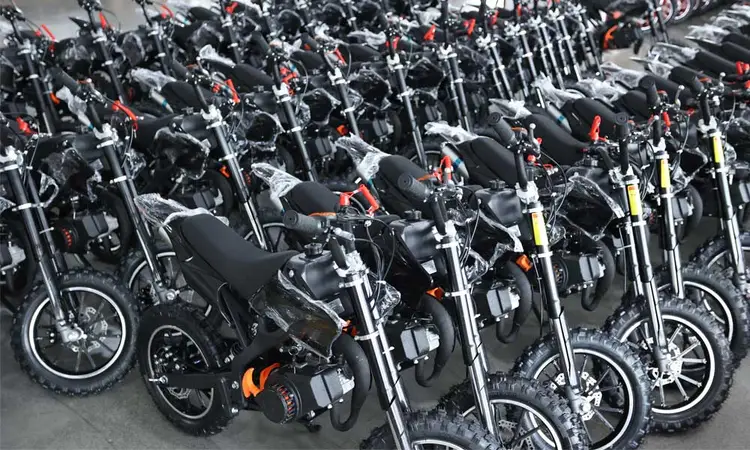
Supply and logistics: What are the minimum order quantity, carton dimensions, shipping weight, and expected lead times?
Parts and after-sales support: Are replacement parts, technical documentation, and warranty procedures available?
Market suitability: Are the vehicle’s intended use, required certifications, and local regulations appropriate for your market?
Commercial viability: Can the product fit your pricing strategy, inventory plan, and expected retail margin?
For wholesale buyers, the lowest purchase price is not necessarily the best long-term option. Product reliability, parts availability, supplier communication, and channel positioning also affect the total cost of doing business.
Electric dirt bike prices vary considerably based on motor and battery specifications, chassis construction, suspension components, manufacturing quality, and brand positioning.
Entry-level models generally have different equipment and performance capabilities from premium off-road motorcycles. Higher power ratings or larger batteries may increase product cost, but they do not guarantee better overall value.
When comparing prices, consider the complete package:
Motor and controller specifications
Battery capacity and charger
Suspension and braking components
Frame quality and assembly
Warranty and replacement parts
Shipping, taxes, and other applicable costs
Dealers should also consider landed cost, local distribution expenses, after-sales support, and the margin available at the intended retail price.
Request a detailed specification sheet and a clear quotation before making a purchasing decision.
Electric dirt bikes generally avoid many maintenance tasks associated with gasoline engines, but they still require routine inspections.
To help maintain your bike:
Inspect the chain: Check chain tension, lubrication, and wear according to the manufacturer’s instructions.
Check the brakes: Inspect brake pads, discs, fluid where applicable, and overall braking performance.
Inspect the tires: Check tire pressure, tread condition, and damage before riding.
Examine the suspension: Look for leaks, damage, loose fasteners, and unusual movement.
Care for the battery: Follow the manufacturer’s charging, storage, and temperature recommendations.
Keep electrical components protected: Follow the specified cleaning instructions and avoid directing high-pressure water at connectors, seals, or electrical components.
Check fasteners and bearings: Inspect critical components at the recommended service intervals.
Waterproof ratings should not be interpreted as permission to submerge the motorcycle or expose every electrical component to unrestricted water pressure.
Always follow the manufacturer’s maintenance schedule and safety instructions.
Choosing the right electric dirt bike means looking beyond peak power and advertised range. Battery energy, charging time, suspension, wheel configuration, frame construction, maintenance requirements, and intended use all contribute to the overall riding experience.
For individual riders, the goal is to find a model that matches their experience, terrain, and riding expectations. For dealers and distributors, product consistency, supplier support, logistics, and commercial viability matter just as much.
Take time to compare full specifications and verify key performance claims before deciding.
Explore the Valtinsu Electric Dirt Bike Range
Looking for electric dirt bikes for your next ride or dealership lineup? Explore the Valtinsu electric dirt bike collection to compare available models and specifications. For wholesale inquiries, contact our team to discuss product availability, order requirements, and dealer cooperation opportunities.